
Mindfulness Emotional Regulation: Inner Peace Techniques | StarPluto
Mindfulness for Emotional Regulation: Practical Techniques for Inner Peace
In our fast-paced modern world, emotional regulation has become an essential skill for maintaining mental well-being and fostering inner peace. Mindfulness, an ancient practice rooted in Buddhist traditions, offers a powerful and scientifically-backed approach to cultivate this skill. It involves paying deliberate attention to the present moment without judgment, allowing individuals to observe their thoughts, feelings, and bodily sensations with clarity and acceptance.
Emotional regulation refers to the ability to manage and respond to emotional experiences in a flexible and adaptive manner. It involves understanding, processing, and influencing the intensity and duration of our emotional states. When we struggle with emotional regulation, we might find ourselves overwhelmed by strong feelings, reacting impulsively, or suppressing emotions in unhealthy ways.
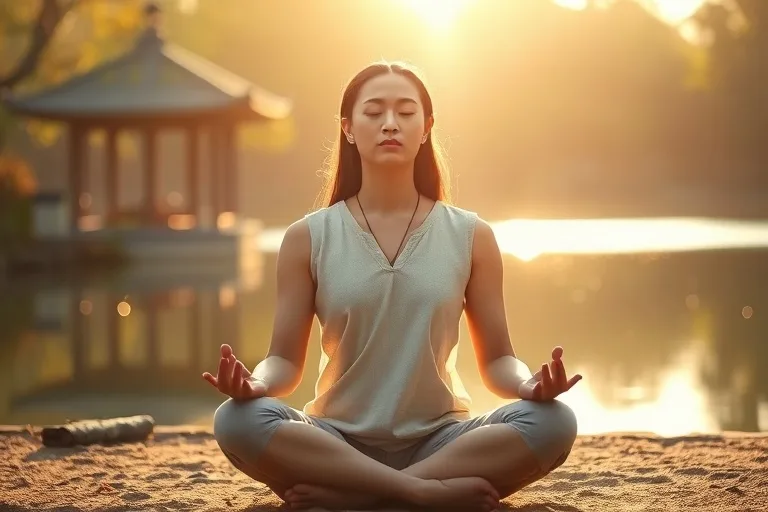
A tranquil moment of mindful meditation, fostering emotional balance and inner peace.
Understanding Mindfulness and Emotional Regulation
Mindfulness can be defined as a state of active, open attention on the present. When you're mindful, you observe your thoughts and feelings without judgment, noticing them without getting caught up in them. This practice helps create a space between a stimulus and your reaction, allowing for a more considered and skillful response.
Emotional regulation, on the other hand, is the process by which individuals influence which emotions they have, when they have them, and how they experience and express these emotions. It encompasses both automatic and deliberate efforts to manage emotional states. Effective emotional regulation is crucial for mental health, healthy relationships, and overall life satisfaction.
The synergy between mindfulness and emotional regulation lies in mindfulness's ability to enhance awareness. By becoming more aware of our internal states, we can identify emotions as they arise, rather than being swept away by them. This heightened awareness is the first step towards choosing how to respond, rather than simply reacting.
The Science Behind Mindfulness for Emotional Well-being
Extensive research, particularly in neuroscience and psychology, has illuminated the profound impact of mindfulness on the brain and emotional processes. Studies show that regular mindfulness practice can lead to significant structural and functional changes in the brain, particularly in areas associated with emotional regulation, attention, and self-awareness.
Key brain regions affected include the prefrontal cortex, which is responsible for executive functions like decision-making and impulse control, and the amygdala, the brain's "fear center." Mindfulness practice has been shown to decrease amygdala activity and strengthen the connection between the prefrontal cortex and the amygdala. This results in a reduced emotional reactivity and an increased capacity for thoughtful responses.
Moreover, mindfulness can influence neuroplasticity, the brain's ability to reorganize itself by forming new neural connections. This means that consistent practice can literally rewire the brain to be more resilient to stress and more adept at managing emotions. The practice also promotes a shift from a "doing" mode, often characterized by rumination and future-oriented anxiety, to a "being" mode, focused on present experience.

Gentle hands cradling a symbolic light, representing the tender act of self-compassion in mindfulness.
Core Mindfulness Techniques for Emotional Regulation
Developing emotional regulation skills through mindfulness involves engaging in various practices that train attention and awareness. These techniques can be practiced formally through meditation or informally integrated into daily activities.
Mindful Breathing (Anapanasati)
This is arguably the most fundamental mindfulness practice. It involves focusing your attention entirely on the sensation of your breath as it enters and leaves your body. When your mind wanders, gently bring it back to the breath without judgment.
- Find a comfortable position: Sit or lie down in a way that allows you to be alert yet relaxed.
- Close your eyes gently: Or soften your gaze downwards.
- Focus on the breath: Notice the sensation of the air in your nostrils, the rise and fall of your abdomen, or the movement of your chest.
- Observe without judgment: When thoughts arise, acknowledge them and gently redirect your attention back to your breath.
Body Scan Meditation
The body scan helps you become more aware of physical sensations and how emotions manifest in the body. It involves systematically bringing your attention to different parts of your body, noticing any sensations without trying to change them.
- Lie down comfortably: On your back, with arms and legs uncrossed.
- Begin with your toes: Bring your awareness to your toes, noticing any feelings, tingling, or pressure.
- Move slowly upwards: Gradually shift your attention through your feet, ankles, calves, knees, thighs, hips, abdomen, back, chest, arms, hands, neck, and finally your face and head.
- Observe and release: Acknowledge any discomfort or tension without judgment, and imagine your breath softening into those areas.
Mindful Eating and Sensory Awareness
This practice extends mindfulness to everyday activities, particularly eating. It helps in developing a deeper appreciation for food and recognizing hunger and fullness cues, which can also translate to emotional hunger.
- Choose a small piece of food: A raisin, a berry, or a piece of chocolate works well.
- Observe its appearance: Notice its color, shape, texture.
- Smell it: Take a moment to inhale its aroma.
- Place it in your mouth: But don't chew yet. Notice the sensation on your tongue.
- Chew slowly: Pay attention to the flavors, textures, and how they change.
- Swallow mindfully: Notice the sensation as it goes down.
Walking Meditation
Walking meditation brings awareness to the physical act of walking, connecting mind and body. It can be particularly helpful for those who find sitting meditation challenging or for integrating mindfulness into active periods.
- Find a quiet space: A path in a park, a long hallway, or even your living room.
- Walk slowly and deliberately: Pay attention to the sensations in your feet as they lift and touch the ground.
- Notice your posture: The swing of your arms, the movement of your legs.
- Engage your senses: Be aware of the sights, sounds, and smells around you, but always bring your primary attention back to the physical act of walking.

A conceptual rendering of the brain's neural activity, illustrating the process of emotional regulation and mental clarity.
Observing Thoughts Without Judgment
This technique helps to detach from the content of thoughts and emotions, preventing rumination and emotional spirals. It involves recognizing thoughts as transient mental events rather than absolute truths.
- Sit in meditation: Or simply pause during your day.
- Notice thoughts as they arise: Imagine them as clouds passing in the sky, or leaves floating down a stream.
- Avoid engaging with them: Don't judge them as good or bad, right or wrong. Simply observe their presence.
- Return to your anchor: If you get caught up in a thought, gently bring your attention back to your breath or bodily sensations.
Cultivating Self-Compassion
Self-compassion is a crucial component of emotional regulation, especially when dealing with difficult emotions. It involves treating oneself with kindness, understanding, and acceptance, similar to how you would treat a dear friend. This practice reduces self-criticism and fosters emotional resilience.
- Acknowledge suffering: When you're experiencing a difficult emotion or situation, acknowledge that this is a moment of suffering.
- Recognize common humanity: Remind yourself that suffering is a part of the shared human experience; you are not alone.
- Offer kindness to yourself: Place a hand over your heart and offer yourself comforting words, such as "May I be kind to myself," "May I be patient," or "This is hard, and it's okay to feel this way."
Integrating Mindfulness into Daily Life
Mindfulness isn't just for formal meditation sessions; its true power lies in its integration into everyday moments. By intentionally bringing awareness to routine activities, you can gradually cultivate a more mindful way of living.
- Mindful Mornings: Start your day with a few minutes of mindful breathing before checking your phone or engaging in other activities. Notice the sensations of waking up.
- Mindful Commute: Instead of getting lost in thoughts or distractions, pay attention to the sounds, sights, and sensations of your journey. Notice the feeling of your feet on the pavement or your hands on the steering wheel.
- Mindful Chores: Bring full attention to tasks like washing dishes, cleaning, or folding laundry. Feel the water, notice the textures, and observe the movements of your body.
- Mindful Communication: When speaking with others, practice active listening. Pay attention not only to their words but also to their tone, body language, and your own internal responses.
- Mindful Breaks: Take short "mindfulness breaks" throughout your day. Step away from your desk, take a few deep breaths, and notice your surroundings.
Consistency is key. Even short bursts of mindful awareness throughout the day can accumulate and significantly enhance your emotional regulation capabilities. For more insights on balancing internal energies, consider exploring resources like Chakra Healing: Balancing Energy Centers for Well-being.
Benefits of Regular Mindfulness Practice
The consistent practice of mindfulness yields a wide array of benefits that extend beyond emotional regulation, touching various aspects of physical and mental health. These advantages contribute to a more balanced, resilient, and fulfilling life.
| Benefit Category | Specific Advantages |
|---|---|
| Emotional Well-being | Increased emotional resilience, reduced reactivity, greater empathy, improved mood, decreased symptoms of anxiety and depression. |
| Cognitive Function | Enhanced attention span, improved focus and concentration, better decision-making, increased cognitive flexibility. |
| Physical Health | Lower blood pressure, improved sleep quality, reduced chronic pain, strengthened immune system, reduced stress hormones. |
| Interpersonal Relationships | Improved communication skills, greater compassion for others, reduced conflict, enhanced connection and understanding. |
| Self-Awareness | Deeper understanding of one's own thoughts, feelings, and motivations, increased self-acceptance, clearer sense of purpose. |
These benefits are not merely anecdotal; they are supported by a growing body of scientific evidence, making mindfulness a credible and effective tool for holistic well-being. The ability to observe one's internal landscape with non-judgmental awareness is a cornerstone of effective emotional management. For example, understanding how different planetary influences can affect our emotional landscape can also provide valuable context, as discussed in articles about Mars Sign: Drive, Energy, Assertion Explained.
Common Challenges and How to Overcome Them
While mindfulness offers profound benefits, the path to consistent practice is not without its obstacles. Many beginners, and even experienced practitioners, encounter common challenges that can hinder their progress. Recognizing these hurdles and having strategies to overcome them is crucial for sustaining a mindfulness practice.
- Wandering Mind: The most common challenge is a mind that constantly wanders.
- Solution: Acknowledge the thought without judgment and gently bring your attention back to your anchor (e.g., breath). This is the practice itself, not a failure.
- Impatience and Frustration: Expecting immediate results or feeling frustrated when you don't achieve a "calm" state.
- Solution: Cultivate patience and self-compassion. Mindfulness is a journey, not a destination. Every moment of awareness is a success.
- Physical Discomfort: Experiencing pain or restlessness during meditation.
- Solution: Adjust your posture, use cushions for support, or try a walking meditation. Explore different positions until you find comfort.
- Falling Asleep: Especially during body scan or longer meditations.
- Solution: Practice in a well-lit room, ensure you're not overly tired, or try practicing with your eyes slightly open.
- Difficulty with Strong Emotions: Feeling overwhelmed when difficult emotions arise during practice.
- Solution: Start with shorter sessions. Focus on sensations in your hands or feet instead of directly on the emotion. Remember to practice self-compassion and, if needed, seek guidance from a qualified mindfulness instructor or therapist.
- Lack of Time: Feeling too busy to incorporate mindfulness into a daily routine.
- Solution: Start small, even 1-2 minutes a day. Integrate mindful moments into existing activities like drinking coffee or waiting in line. Consistency over duration is more important initially.
Overcoming these challenges requires a gentle yet persistent approach. Remember that mindfulness is a skill that develops over time with consistent effort and a compassionate attitude towards oneself. Just as we learn to navigate the complexities of our external world, we can also learn to skillfully navigate our internal emotional landscape. Understanding our innate drives and passions, as explored in topics like Planetary Archetypes: Unlocking Inner Gods & Goddesses, can further aid in this journey of self-discovery and regulation.
Conclusion: A Path to Lasting Inner Peace
Mindfulness for emotional regulation is not a quick fix but a transformative practice that empowers individuals to respond to life's challenges with greater wisdom and calm. By consistently applying techniques such as mindful breathing, body scans, and cultivating self-compassion, we can rewire our brains, reduce emotional reactivity, and foster a deeper sense of inner peace.
The journey of mindfulness is one of continuous learning and gentle return to the present moment. It offers a powerful antidote to the stresses of modern life, enabling us to navigate our emotional landscapes with skill, acceptance, and profound resilience. Embracing mindfulness is an investment in our mental, emotional, and physical well-being, paving the way for a more harmonious and fulfilling existence.
Fuente: Contenido híbrido asistido por IAs y supervisión editorial humana.


Comments
Post a Comment