
Scrying Divination: Reflective Surface Insights | StarPluto
Scrying, an ancient practice of divination, involves gazing into or upon a reflective surface to perceive visions or insights. This mystical art has been employed across diverse cultures and throughout history, serving as a conduit for spiritual guidance, self-discovery, and foresight. From polished obsidian mirrors to bowls of water, the tools of scrying are as varied as the interpretations derived from their use.
The essence of scrying lies in its ability to tap into the subconscious mind and potentially connect with higher states of consciousness. It is not merely about seeing images, but about interpreting the symbolism and messages that emerge from the depths of the reflective medium. This practice demands patience, focus, and an open mind, making it a profound journey into the self and the unseen.
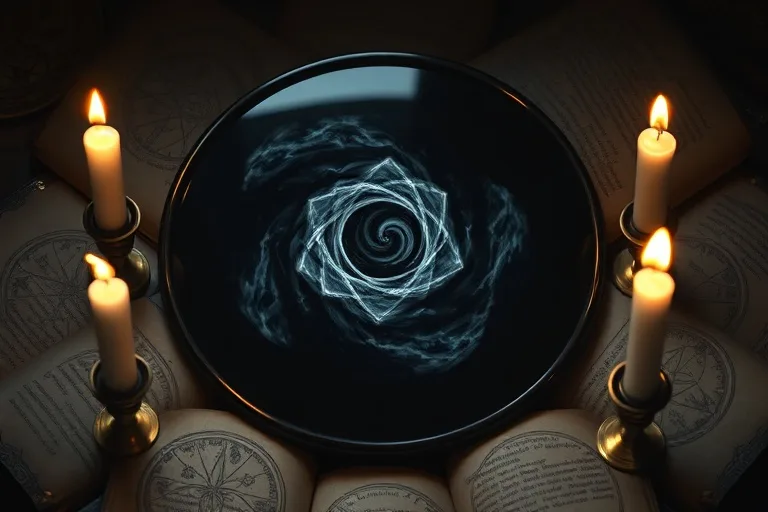
This article delves into the fascinating world of scrying, exploring its historical origins, various methods, the psychological underpinnings of its effectiveness, and practical guidance for those interested in exploring this ancient art. We will uncover how different cultures have engaged with reflective surfaces to seek answers and understand the subtle energies that influence our lives.
Understanding scrying requires an appreciation for both its mystical allure and its psychological components. It bridges the gap between the tangible and the intangible, offering a unique pathway to intuition and inner wisdom. Join us as we explore the depths of this captivating esoteric practice.
Table of Contents
- Historical Roots of Scrying
- Common Methods of Scrying
- The Scrying Process
- Tools and Materials
- Psychological and Spiritual Aspects
- Modern Perspectives and Skepticism
- Benefits and Cautions
Historical Roots of Scrying
The practice of scrying boasts a rich and ancient history, with evidence of its use dating back thousands of years across various civilizations. Early humans likely observed reflections in natural phenomena such as pools of water, polished stones, or even the surface of blood, seeking patterns or messages from the divine or the spirit world. This innate human desire to understand the unknown laid the groundwork for more formalized scrying techniques.
In ancient Egypt, priests and priestesses utilized polished dark stones, often obsidian, and bowls of water or ink for divination. These practices were deeply intertwined with religious rituals and were believed to facilitate communication with deities and ancestral spirits. The visions obtained were considered sacred and often guided important decisions for pharaohs and the populace.
The Greeks and Romans also engaged in various forms of scrying, known as catoptromancy (mirror gazing) and hydromancy (water gazing). Oracles, such as those at Delphi, sometimes incorporated reflective surfaces into their prophetic rituals. The philosopher Pythagoras is said to have used water scrying, and the Roman Emperor Didius Julianus reportedly consulted a scryer before his reign. These practices were not confined to the elite; common people also sought guidance through simpler forms of scrying.
During the Middle Ages and the Renaissance, scrying continued to be practiced, often by mystics, alchemists, and occultists. John Dee, a renowned English mathematician, astronomer, and advisor to Queen Elizabeth I, famously employed a scrying mirror and crystal ball, with his associate Edward Kelley acting as the scryer, to communicate with angelic entities. Their detailed records provide a fascinating glimpse into Renaissance scrying practices and beliefs.
Across different cultures, the underlying belief remained consistent: reflective surfaces could act as portals. Indigenous cultures worldwide, from Native American tribes to Siberian shamans, have utilized natural reflective elements like polished stones or even animal hides to enter altered states and receive visions. This widespread adoption underscores the universal human quest for meaning and guidance beyond the ordinary.
Common Methods of Scrying
Scrying encompasses a variety of methods, each utilizing a different reflective medium to induce visions or insights. While the core principle remains the same – gazing intently at a surface – the specific tools and techniques can vary significantly. Understanding these different approaches can help practitioners find the method that resonates most with them.
- Crystal Gazing (Crystallomancy): This is perhaps the most iconic form of scrying, involving gazing into a crystal ball, typically made of quartz or glass. The scryer focuses on the ball's depths, allowing their gaze to soften and their mind to quiet, until images or symbols begin to form within the crystal.
- Water Scrying (Hydromancy): One of the oldest methods, hydromancy involves gazing into a bowl or pool of still water. The surface of the water can act as a mirror, and subtle shifts, reflections, or imagined forms within its depths are interpreted. Sometimes, ink or dark liquids are added to enhance the reflective quality.
- Mirror Scrying (Catoptromancy): This method uses a mirror, often a black obsidian mirror or a regular mirror that has been darkened. The scryer gazes into the mirror, not at their own reflection, but through it, seeking to perceive images that appear to float on or within the surface.
- Smoke Scrying (Capnomancy): Involves observing the patterns and shapes formed by smoke, often from incense or a sacred fire. The ephemeral nature of smoke encourages a fluid and intuitive interpretation of the emerging forms.
- Fire Scrying (Pyromancy): Gazing into a flame, such as from a candle or a bonfire, is another ancient method. The flickering light and dancing shadows can create a hypnotic effect, allowing the scryer to perceive visions or messages within the fire.
- Ink Scrying (Enoptromancy): Similar to water scrying, but specifically uses dark ink in a shallow dish. The deep, non-reflective black surface is ideal for inducing a trance-like state and seeing subtle shifts in light and shadow.
Each method offers a unique sensory experience and can evoke different types of visions. Some practitioners find certain mediums more conducive to their personal energy and intuitive style. Experimentation is key to discovering which form of scrying is most effective for an individual's spiritual journey and Tarot Quantum Mechanics Intersecting Divination Reality.

The Scrying Process
Engaging in scrying is a deliberate process that requires preparation, focus, and a structured approach to maximize its effectiveness. It's not simply staring blankly; it's about creating the right conditions for intuitive perception to emerge. The process can be broken down into several key stages, each contributing to a successful scrying session.
1. Preparation and Environment
Before beginning a scrying session, it is crucial to prepare both the environment and oneself. This involves finding a quiet, undisturbed space where you can relax without interruption. Dim lighting, often provided by candles, is preferred as it helps to reduce external distractions and enhance the reflective qualities of the scrying tool. Some practitioners also use incense or essential oils to create a calming and sacred atmosphere.
Personal preparation includes cleansing oneself, perhaps through a quick shower or a few moments of deep breathing and meditation. The goal is to clear the mind of daily clutter and enter a state of calm receptivity. Grounding exercises can also be beneficial to ensure mental stability during the session.
2. Setting Intention
Clearly defining your intention or question before scrying is paramount. This provides focus for your subconscious and helps to direct the energy of the session. The question should be specific yet open-ended enough to allow for symbolic answers. Avoid yes/no questions; instead, seek insights, guidance, or understanding about a particular situation or aspect of your life.
Hold your intention gently in your mind, but do not force it. The aim is to invite insights, not to demand them. A journal can be useful at this stage to write down your question and any initial thoughts or feelings.
3. The Scrying Session
Position yourself comfortably in front of your chosen scrying tool. Gaze softly into the reflective surface, allowing your eyes to relax and your focus to blur slightly. Do not strain your eyes or try too hard to "see" something. Instead, adopt a passive, receptive mindset. You might notice the surface appearing to deepen, shimmer, or become hazy.
As you continue to gaze, pay attention to any images, colors, shapes, or sensations that arise. These may appear as fleeting wisps, distinct figures, or even a sense of knowing. It's important not to immediately analyze or dismiss what you perceive. Simply observe and allow the information to unfold naturally. This stage can last anywhere from a few minutes to an hour, depending on your experience and the depth of your meditative state.
4. Interpretation of Visions
Once you feel the session is complete, or if no further images appear, gently shift your gaze away from the reflective surface. Immediately record everything you saw, felt, or thought during the session in your journal. This is a critical step, as visions can be ephemeral and easily forgotten.
Interpretation is often the most challenging part of scrying. Images are rarely literal; they are usually symbolic. Consider the context of your initial question and how the symbols might relate to it. What emotions did the images evoke? Are there any recurring themes or archetypes? Consulting resources on symbolism, mythology, or even Mesoamerican Astrology AI Oracles Bridging Ancient Modern can be helpful in deciphering the messages.
5. Grounding and Closing
After interpretation, it's important to fully ground yourself before returning to daily activities. This can involve eating a snack, drinking water, or simply focusing on your physical surroundings. Thank your scrying tool and the energies you connected with, and store your tool respectfully until your next session. This respectful closure helps maintain a healthy energetic boundary.
Tools and Materials
The effectiveness of scrying often depends on the practitioner's connection to their chosen tool. While the mind and intuition are the primary instruments, the physical medium plays a crucial role in facilitating the process. Various materials have been historically used, each offering unique properties and aesthetic appeals.
- Scrying Mirrors: These are typically made of obsidian, a volcanic glass, known for its deep black, highly reflective surface. Obsidian mirrors are believed to absorb negative energy and provide a clear, undistorted reflection for scrying. Some practitioners also use regular glass mirrors that have been painted black on the back to achieve a similar effect. The dark surface helps to minimize external reflections and create a sense of depth.
- Crystal Balls: Traditionally made from natural quartz crystal, though modern versions often use high-quality glass. Quartz is revered for its clarity and ability to store and transmit energy. The spherical shape allows for a panoramic field of vision, and the natural inclusions within a quartz ball can sometimes be interpreted as part of the vision.
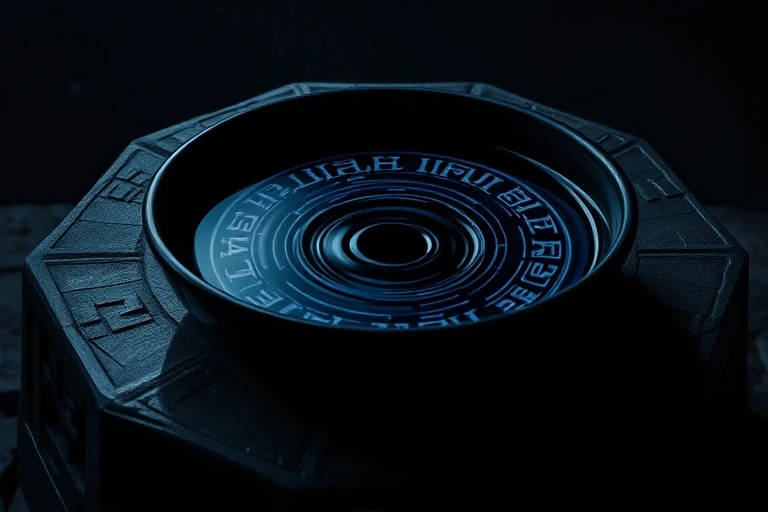
- Bowls of Water/Ink: Simple yet powerful, a dark-colored bowl filled with still water is a primary tool for hydromancy. Adding a few drops of dark ink can deepen the surface, making it easier to perceive subtle changes. The fluidity of water is often associated with emotions and the subconscious, making it a potent medium for intuitive insights.
- Candles and Incense: While not direct scrying tools, candles provide the ideal dim lighting for most scrying methods, creating a focused and atmospheric environment. The flickering flame itself can also be used for pyromancy. Incense helps to cleanse the space, set a mood, and its smoke can be used for capnomancy.
- Other Reflective Surfaces: Historically, polished metal plates, smooth dark stones, or even the surface of a calm lake have been used. The key characteristic is a surface that allows for a deep, unbroken gaze, facilitating the shift in perception required for scrying.
Choosing a scrying tool is a personal decision. It is often recommended to select a tool that you feel drawn to, as this connection can enhance your ability to work with it. Proper care and cleansing of your scrying tools are also important to maintain their energetic integrity.
Psychological and Spiritual Aspects
Beyond its mystical reputation, scrying has profound psychological and spiritual dimensions that contribute to its enduring appeal. The practice is not merely about predicting the future but often serves as a powerful tool for introspection, self-awareness, and connecting with deeper levels of consciousness. Understanding these aspects helps demystify scrying and highlights its potential benefits for personal growth.
The Role of the Subconscious
Many psychologists and practitioners believe that scrying works by accessing the subconscious mind. When gazing into a reflective surface, the brain enters a state similar to light trance or meditation. In this state, the analytical, conscious mind quiets down, allowing images, memories, and insights from the subconscious to surface. These often manifest as symbolic visions, much like those experienced in dreams.
The blank or subtly shifting surface acts as a screen onto which the subconscious projects these internal messages. This phenomenon is related to pareidolia, where the mind perceives patterns or familiar images in random stimuli, but in scrying, it's a directed and intentional process aimed at uncovering deeper truths.
Intuition and Symbolism
Scrying heavily relies on intuition. The visions are rarely literal predictions but rather symbolic representations that require intuitive interpretation. This process strengthens the practitioner's intuitive faculties, encouraging them to trust their gut feelings and inner knowing. The symbols that appear are often personal, drawing from the individual's experiences, cultural background, and collective unconscious.
Learning to interpret these symbols is a journey in itself, often leading to a deeper understanding of one's own inner landscape and the universal language of archetypes. This symbolic language allows for a nuanced exploration of questions and challenges.
Meditation and Altered States
The act of scrying is a form of active meditation. The sustained focus on a single point helps to quiet the "monkey mind" and induce an altered state of consciousness. In this state, the brain's electrical activity shifts, often moving towards alpha or theta brainwaves, which are associated with relaxation, creativity, and heightened receptivity. This meditative aspect is what allows scrying to be a deeply spiritual practice, fostering a sense of connection to something larger than oneself.
Ethical Considerations
Ethical considerations are important in any divinatory practice, including scrying. Practitioners are often advised to use scrying for personal growth, insight, and positive guidance, rather than for malicious intent or to manipulate others. Respect for the process, the tools, and the information received is paramount. It is also crucial to maintain a healthy detachment from the visions, recognizing them as potential insights rather than absolute certainties, and always exercising personal responsibility in decision-making.
Modern Perspectives and Skepticism
In the modern era, scrying, like many ancient divinatory practices, often faces scrutiny from scientific and skeptical viewpoints. While its proponents emphasize its psychological and spiritual benefits, scientific explanations tend to attribute the perceived visions to well-understood cognitive phenomena. This dual perspective allows for a more comprehensive understanding of scrying's place in contemporary society.
Psychological Explanations
From a psychological standpoint, scrying can be explained by several phenomena. One primary explanation is **pareidolia**, the tendency for the mind to perceive a specific image or pattern in a random or ambiguous stimulus. When gazing at a reflective surface, the subtle shifts in light, shadow, or the inherent patterns within a crystal can trigger the brain to "see" faces, figures, or scenes that are not objectively present.
Another related concept is **hypnagogia**, the state of consciousness during the transition from wakefulness to sleep. This state is often accompanied by vivid imagery, hallucinations, and lucid dreaming. The meditative, trance-like state induced by prolonged gazing during scrying can mimic hypnagogia, allowing internal imagery to project onto the external surface.
The power of **suggestion** and **expectation** also plays a significant role. If a practitioner expects to see something related to their question, their mind is more likely to interpret ambiguous patterns in a way that confirms their expectations. This is a common cognitive bias that affects many forms of perception.
Scientific Viewpoint
Mainstream science generally does not support the idea that scrying provides genuine precognitive or clairvoyant information through supernatural means. The lack of empirical evidence and repeatable results under controlled conditions leads scientists to classify scrying as a form of subjective experience, akin to meditation or imaginative play, rather than a reliable method of obtaining objective information.
However, this does not diminish the personal value many individuals derive from the practice. The act of scrying can still be seen as a therapeutic tool for self-reflection, creative problem-solving, and accessing one's own subconscious insights, even if the mechanism is purely psychological rather than mystical. It can foster a deeper connection to intuition and personal symbolism.
Personal Experience vs. Empirical Evidence
For many practitioners, the validity of scrying comes from personal experience. The feeling of receiving meaningful guidance, the accuracy of subsequent events, or the profound insights gained are often enough to validate the practice for them. This subjective validation is a cornerstone of many spiritual and esoteric traditions.
Conversely, a scientific approach demands objective, verifiable evidence. The challenge with scrying, as with other divinatory arts, is that its results are often highly subjective, symbolic, and difficult to quantify or replicate. Therefore, while modern science may not endorse scrying as a factual source of information, it acknowledges its potential as a psychological tool for introspection and creativity.
Benefits and Cautions
Like any practice that delves into the subconscious and spiritual realms, scrying offers a range of potential benefits but also carries certain cautions. Approaching scrying with a balanced perspective, acknowledging both its positive aspects and potential pitfalls, is essential for a safe and enriching experience.
Benefits of Scrying
- Enhanced Intuition: Regular practice of scrying can sharpen your intuitive abilities, helping you to better recognize and trust your inner guidance.
- Self-Reflection and Insight: By providing symbolic imagery, scrying can offer profound insights into personal challenges, emotional states, and underlying motivations, fostering greater self-awareness.
- Stress Reduction: The meditative aspect of scrying can induce a state of deep relaxation, reducing stress and promoting mental calm.
- Creativity and Imagination: Engaging with the symbolic language of scrying stimulates the imagination and can unlock creative potential.
- Spiritual Connection: For many, scrying serves as a pathway to connect with their spiritual self, higher consciousness, or divine guidance, deepening their spiritual journey.
- Problem Solving: While not a direct answer provider, the insights gained can offer new perspectives on problems, helping to identify potential solutions or courses of action.
Cautions in Scrying
- Misinterpretation: Visions are highly symbolic and subjective, making them prone to misinterpretation. A lack of understanding of symbolism or an overly literal approach can lead to confusion or misguided decisions.
- Psychological Distress: For individuals prone to anxiety, paranoia, or certain psychological conditions, the ambiguous nature of scrying visions could potentially exacerbate these issues. It's important to approach scrying with a stable mental state.
- Over-reliance: Becoming overly reliant on scrying for every decision can undermine personal agency and critical thinking. Scrying should complement, not replace, rational thought and personal responsibility.
- Negative Energies: Some practitioners believe that without proper protection and cleansing, scrying can open one up to unwanted or negative energetic influences. Establishing clear boundaries and protective rituals is often advised.
- Eye Strain: Prolonged gazing can cause eye strain. Taking breaks and ensuring proper lighting are important to prevent physical discomfort.
Ultimately, scrying is a tool. Its value and safety depend largely on the intention, mindset, and experience of the practitioner. When approached with respect, discernment, and a focus on personal growth, it can be a deeply rewarding spiritual practice. However, it is always wise to exercise caution and seek professional guidance if any psychological distress arises.
Conclusion
Scrying, the ancient art of divination through reflective surfaces, remains a captivating and potent practice in the modern world. From its historical roots in ancient civilizations to its adoption by mystics and seekers today, it offers a unique pathway to explore the depths of the subconscious and connect with intuitive insights. Whether through the polished surface of an obsidian mirror, the depths of a crystal ball, or the stillness of water, the essence of scrying lies in its ability to transcend ordinary perception.
While scientific perspectives may attribute its effects to psychological phenomena like pareidolia and hypnagogia, the personal experiences of practitioners often speak to its profound capacity for self-reflection, spiritual growth, and enhanced intuition. The benefits of scrying extend beyond mere fortune-telling, offering a rich tapestry of symbolic understanding that can guide personal development and creative expression.
As with any esoteric practice, a balanced approach is crucial, acknowledging both its potential for deep insight and the importance of ethical considerations and mental well-being. For those drawn to its mysterious allure, scrying stands as an accessible and powerful tool for unlocking inner wisdom and navigating the complexities of life with greater clarity and spiritual awareness. Embracing this ancient art can open doors to a deeper understanding of oneself and the subtle energies that shape our reality.
Fuente: Contenido híbrido asistido por IAs y supervisión editorial humana.


Comments
Post a Comment