
Zodiac Compatibility: Western Astrology Overview | StarPluto
Understanding zodiac sign compatibility is a cornerstone of Western astrology, offering profound insights into the dynamics of human relationships. Far from being a rigid set of rules, it serves as a sophisticated framework to explore how different astrological energies interact, fostering deeper self-awareness and enhancing interpersonal connections. This guide delves into the fundamental principles of zodiac compatibility, examining the roles of elements, modalities, and planetary influences to provide a comprehensive overview.
The concept of compatibility extends beyond romantic partnerships, influencing friendships, family bonds, and professional collaborations. By recognizing the inherent strengths and potential challenges between signs, individuals can cultivate more harmonious interactions, navigate conflicts with greater understanding, and appreciate the unique contributions each person brings to a relationship. This exploration will demystify common astrological pairings and highlight the nuanced layers that contribute to a truly compatible connection.
Table of Contents
- Introduction to Zodiac Compatibility
- The Foundational Role of Elements
- Modalities: The Dynamics of Interaction
- Understanding Sign Synergies and Challenges
- Beyond Sun Signs: A Holistic View
- Common Compatibility Myths Debunked
- Cultivating Harmonious Relationships
- Frequently Asked Questions about Zodiac Compatibility
Introduction to Zodiac Compatibility
Zodiac compatibility in Western astrology is the study of how different astrological signs interact and harmonize with one another. It is based on the premise that each of the twelve zodiac signs possesses distinct personality traits, motivations, and ways of approaching life, which can either complement or clash with those of other signs. This ancient practice provides a blueprint for understanding the energetic exchanges between individuals, offering valuable insights into the potential for connection, growth, and conflict in any relationship.
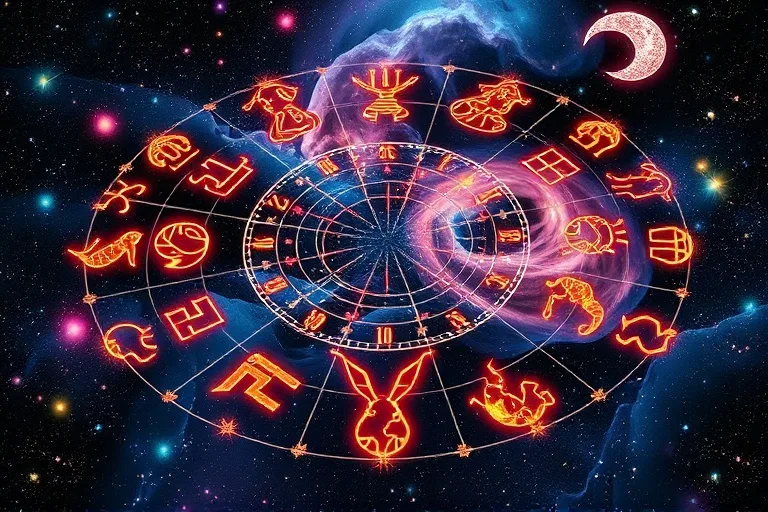
The origins of zodiac compatibility can be traced back to ancient civilizations, including the Babylonians and Egyptians, who observed celestial patterns and their perceived influence on human affairs. Over centuries, these observations evolved into sophisticated astrological systems, with Hellenistic astrology laying much of the groundwork for the Western tradition we recognize today. Astrologers began to categorize signs based on shared characteristics, leading to the development of elemental and modal classifications that are central to compatibility analysis.
It is crucial to approach zodiac compatibility with an open mind, understanding that it offers guidance rather than definitive answers. While some pairings are traditionally considered more harmonious, the ultimate success of any relationship depends on individual effort, communication, and a willingness to understand and adapt to another person's unique nature. Astrology provides a lens through which to view these dynamics, empowering individuals to make informed choices and foster deeper connections.
The Foundational Role of Elements
The twelve zodiac signs are divided into four fundamental elements: Fire, Earth, Air, and Water. Each element represents a core temperament and a distinct way of experiencing and interacting with the world. Understanding these elemental groupings is the first and most crucial step in assessing zodiac compatibility, as signs within the same element or complementary elements tend to share a natural affinity.
- Fire Signs (Aries, Leo, Sagittarius): Characterized by passion, enthusiasm, and a dynamic, energetic approach to life. Fire signs are often spontaneous, courageous, and seek inspiration and excitement. They thrive on action and can be highly motivational.
- Earth Signs (Taurus, Virgo, Capricorn): Grounded, practical, and focused on tangible results. Earth signs value stability, security, and sensuality. They are reliable, patient, and methodical, often seeking to build and maintain order in their lives.
- Air Signs (Gemini, Libra, Aquarius): Intellectual, communicative, and socially oriented. Air signs prioritize ideas, logic, and connection through conversation. They are curious, adaptable, and often seek mental stimulation and objective understanding.
- Water Signs (Cancer, Scorpio, Pisces): Emotional, intuitive, and deeply connected to their inner worlds. Water signs are sensitive, compassionate, and value emotional depth and intimacy. They are often empathetic and driven by their feelings.
Generally, signs of the same element are highly compatible, as they speak the same "energetic language." For example, two Fire signs will understand each other's need for passion and adventure, while two Earth signs will appreciate mutual stability and practicality. Similarly, complementary elements also form strong bonds:
- Fire and Air: Air fuels Fire, providing intellectual stimulation and fresh ideas that ignite Fire's passion. This combination often leads to dynamic and inspiring relationships.
- Earth and Water: Water nourishes Earth, bringing emotional depth and intuition to Earth's practicality. This pairing creates a stable and nurturing environment, where both partners feel supported.
Conversely, certain elemental combinations can present challenges. Fire and Water, for instance, can be volatile, with Water potentially extinguishing Fire's enthusiasm or Fire boiling Water's emotions. Earth and Air might struggle with differing priorities, as Earth seeks tangible reality while Air pursues abstract ideas. However, these challenges are not insurmountable and can lead to growth if both parties are willing to learn from their differences.
Modalities: The Dynamics of Interaction
Beyond the elements, zodiac signs are also categorized by their modality: Cardinal, Fixed, or Mutable. Modalities describe how a sign expresses its elemental energy and its preferred way of initiating, sustaining, or adapting to change. Understanding these dynamics adds another crucial layer to compatibility analysis, revealing how individuals approach action, commitment, and flexibility within a relationship.
- Cardinal Signs (Aries, Cancer, Libra, Capricorn): These signs mark the beginning of each season and are known as initiators and leaders. They are driven, ambitious, and prefer to take charge, often bringing new ideas and energy into a relationship. They thrive on setting goals and making things happen.
- Fixed Signs (Taurus, Leo, Scorpio, Aquarius): Occurring in the middle of each season, Fixed signs are characterized by stability, persistence, and determination. They are resistant to change, value security, and are excellent at maintaining and solidifying plans. They provide a steady foundation in relationships.
- Mutable Signs (Gemini, Virgo, Sagittarius, Pisces): These signs conclude each season, representing adaptability, flexibility, and a desire for change. Mutable signs are versatile, open-minded, and excellent at mediating and transitioning. They bring a fluid and accommodating energy to relationships, often seeking variety and understanding.
When considering compatibility through modalities, several patterns emerge. Cardinal signs often find common ground with other Cardinal signs, as they share a drive for initiation, though they may clash over who takes the lead. Fixed signs can offer unwavering loyalty to each other but might struggle with stubbornness and resistance to compromise. Mutable signs easily adapt to one another, fostering flexibility, but might lack direction or struggle with making firm decisions.
Interactions between different modalities can also be illuminating. Cardinal signs can provide the impetus for Fixed signs to move forward, while Fixed signs offer the stability to ground Cardinal initiatives. Mutable signs can help both Cardinal and Fixed signs adapt to changing circumstances, bringing a necessary fluidity. However, too many conflicting modalities can lead to friction; for example, a Cardinal sign might feel frustrated by a Fixed sign's resistance to change, or a Mutable sign might find a Fixed sign too rigid.
Understanding Sign Synergies and Challenges
Combining the insights from elements and modalities allows for a more nuanced understanding of zodiac compatibility. Certain combinations are traditionally seen as highly synergistic, while others present inherent challenges that require conscious effort and communication. It's important to remember that "challenging" does not mean "impossible," but rather indicates areas where growth and compromise are most needed.
Here's a general overview of how signs interact based on these principles:
| Sign Type | Compatible With | Challenging With | Key Dynamic |
|---|---|---|---|
| Fire Signs (Aries, Leo, Sagittarius) | Other Fire Signs, Air Signs | Water Signs, Earth Signs | Passion, inspiration, intellectual connection. |
| Earth Signs (Taurus, Virgo, Capricorn) | Other Earth Signs, Water Signs | Fire Signs, Air Signs | Stability, nurturing, practical harmony. |
| Air Signs (Gemini, Libra, Aquarius) | Other Air Signs, Fire Signs | Earth Signs, Water Signs | Communication, ideas, shared vision. |
| Water Signs (Cancer, Scorpio, Pisces) | Other Water Signs, Earth Signs | Fire Signs, Air Signs | Emotional depth, intuition, mutual support. |
Specific examples illustrate these dynamics. A Leo (Fire, Fixed) and a Sagittarius (Fire, Mutable) share a love for adventure and optimism, with Sagittarius's adaptability complementing Leo's steadfastness. However, a Leo might find a Scorpio (Water, Fixed) too emotionally intense and secretive, while Scorpio could perceive Leo as overly dramatic and attention-seeking. Yet, both are Fixed signs, sharing a deep loyalty once committed, which can be a powerful bond if they learn to respect their differences.
Similarly, a Virgo (Earth, Mutable) and a Capricorn (Earth, Cardinal) will appreciate each other's practicality and work ethic, with Capricorn's leadership driving Virgo's meticulous planning. A Virgo, however, might struggle with a Gemini (Air, Mutable), as Gemini's intellectual and sometimes scattered energy could feel too chaotic for Virgo's need for order. The key is to recognize these inherent tendencies and use them as starting points for understanding, rather than as definitive judgments of a relationship's fate.
Beyond Sun Signs: A Holistic View
While Sun sign compatibility provides a valuable initial framework, it represents only one facet of a person's complex astrological makeup. A truly comprehensive compatibility analysis, often referred to as synastry, involves comparing the entire birth charts of two individuals. This advanced technique considers the positions of all planets, the Ascendant (Rising Sign), and the houses at the moment of birth, offering a far more detailed and nuanced picture of how two people interact.
- Moon Sign: Governs emotions, instincts, and inner needs. Compatibility between Moon signs is crucial for emotional harmony and feeling understood on a deep level.
- Ascendant (Rising Sign): Represents how one presents themselves to the world and their initial reactions. Ascendant compatibility influences first impressions and how partners perceive each other's outward demeanor.
- Venus: Rules love, romance, values, and attraction. Venus compatibility indicates shared tastes, romantic styles, and what each person seeks in a partner.
- Mars: Governs drive, energy, passion, and sexual expression. Mars compatibility reveals how partners align in terms of ambition, desire, and conflict resolution.
- Mercury: Influences communication style and intellectual connection. Mercury compatibility is vital for effective dialogue and mutual understanding.
When a professional astrologer performs a synastry reading, they analyze the aspects (angles) formed between the planets in each person's chart. Harmonious aspects (trines, sextiles) indicate areas of ease and natural flow, while challenging aspects (squares, oppositions) highlight areas of tension, growth, and potential conflict. These challenging aspects are not necessarily negative; they often represent opportunities for profound personal development and deeper understanding within the relationship.
Another advanced technique is the composite chart, which creates a "relationship chart" by finding the midpoints between corresponding planets in two individual charts. This chart represents the relationship itself as a separate entity, revealing its purpose, challenges, and overall destiny. By looking beyond just the Sun sign, individuals gain a much richer and more accurate perspective on their compatibility and the unique journey they share with another person.
Common Compatibility Myths Debunked
Despite its depth, zodiac compatibility is often oversimplified, leading to several persistent myths. Dispelling these misconceptions is vital for a more accurate and empowering understanding of astrological relationships. The most common myth is the idea that certain signs are "incompatible" and therefore cannot have a successful relationship. This deterministic view completely overlooks the complexity of individual birth charts and the power of free will.
No two signs are inherently "bad" for each other. While some pairings may present more immediate challenges due to conflicting elemental or modal energies, these differences can also be sources of immense growth and balance. For example, a Fire sign and a Water sign might initially struggle with emotional expression, but they can teach each other valuable lessons: Fire can bring passion and courage to Water, while Water can offer emotional depth and intuition to Fire. The key is mutual respect and a willingness to understand and adapt.
As per astrological principles, "Compatibility is not about finding a perfect match, but about understanding the unique energetic blueprint of two individuals and how their strengths and challenges can intertwine to create a meaningful bond."
This perspective emphasizes growth and conscious effort over predetermined destiny.
Another myth is that Sun sign compatibility is the only factor that matters. As discussed, the Moon, Ascendant, and other planetary placements play equally, if not more, significant roles in relationship dynamics. A couple with challenging Sun signs might have highly harmonious Moon signs, indicating a strong emotional connection that can overcome superficial differences. Ignoring these other factors leads to an incomplete and often misleading assessment.
Finally, the belief that astrology dictates destiny is a major misconception. Astrology is a tool for self-understanding and guidance, not a prophecy of unchangeable events. It highlights potentials and tendencies, but individuals always retain the power of choice and the ability to shape their relationships through conscious effort, communication, and personal growth. A challenging astrological aspect can be transformed into a source of strength through awareness and work.
Cultivating Harmonious Relationships
Armed with a deeper understanding of zodiac compatibility, individuals can actively work towards cultivating more harmonious and fulfilling relationships. The insights gained from astrology are most powerful when combined with practical strategies for communication, empathy, and mutual respect. Recognizing the inherent nature of your partner's sign, and your own, allows for a more compassionate approach to differences.
For instance, if you are a Fire sign partnered with an Earth sign, you might consciously work on tempering your impulsiveness to appreciate your partner's need for stability, while they might strive to be more open to your adventurous spirit. If you are an Air sign with a Water sign, you can learn to articulate your thoughts more clearly and logically, while your partner can help you connect with your emotions and intuition more deeply. These conscious efforts transform potential friction into opportunities for balance.
Key strategies for nurturing compatibility include:
- Open Communication: Discussing your astrological insights with your partner can open new avenues for understanding each other's needs and perspectives.
- Empathy and Patience: Recognizing that your partner's reactions or priorities stem from their core astrological makeup can foster greater empathy and reduce judgment.
- Embracing Differences: Instead of viewing differences as obstacles, see them as complementary forces that can enrich the relationship and promote personal growth for both individuals.
- Compromise and Flexibility: All relationships require compromise. Astrology can help pinpoint areas where compromise might be most necessary and where each partner can yield without feeling diminished.
- Self-Awareness: Understanding your own astrological chart helps you recognize your strengths and weaknesses, allowing you to approach relationships with greater self-knowledge and confidence.
Ultimately, zodiac compatibility is a tool for enhancing human connection, not for predicting its outcome. By providing a framework for understanding the diverse energies at play, astrology empowers individuals to build stronger, more resilient, and deeply satisfying relationships that honor the unique essence of each person involved. It encourages a journey of continuous learning, adaptation, and appreciation for the cosmic dance of human interaction.
Frequently Asked Questions about Zodiac Compatibility
Here are some common questions regarding zodiac compatibility:
What is the most compatible zodiac sign for an Aries?
Aries, being a Fire sign, often finds strong compatibility with other Fire signs (Leo, Sagittarius) due to shared passion and energy. Air signs (Gemini, Libra, Aquarius) also make excellent partners, as they provide intellectual stimulation and fuel Aries' adventurous spirit. Libra, as the opposite sign, offers a balancing dynamic.
Can "incompatible" zodiac signs still have successful relationships?
Absolutely. "Incompatible" simply means there might be more inherent differences or challenges to navigate. Success in any relationship, regardless of astrological compatibility, depends on mutual effort, open communication, respect, and a willingness to understand and grow together. A comprehensive synastry reading, looking beyond just Sun signs, often reveals deeper layers of connection that can overcome initial differences.
Fuente: Contenido híbrido asistido por IAs y supervisión editorial humana.


Comments
Post a Comment