
Chinese Zodiac Elemental Harmony: Advanced Feng Shui Tips
The ancient wisdom traditions of China offer profound insights into the interconnectedness of life, the environment, and personal well-being. Among these, the Chinese Zodiac and Feng Shui stand out as powerful systems for understanding individual characteristics and optimizing living spaces. While often explored separately, their advanced integration provides a holistic framework for cultivating harmony, prosperity, and health. This comprehensive guide delves into how these two disciplines intertwine, offering advanced Feng Shui tips tailored to your specific Chinese Zodiac animal and its elemental attributes.
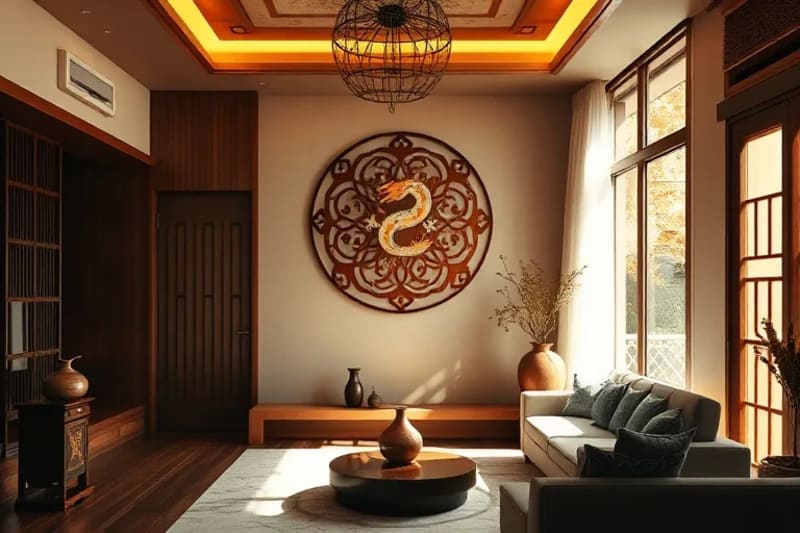
A harmonious living space blending traditional Chinese design with subtle zodiac animal motifs, fostering elemental balance.
Understanding your Chinese Zodiac animal is more than just knowing your birth year; it reveals your inherent elemental nature, personality traits, and potential challenges. Feng Shui, on the other hand, is the art and science of arranging living spaces to achieve harmony with the environment. By combining these, we can create environments that support our innate strengths and mitigate weaknesses, leading to enhanced well-being and a more fulfilling life. This article will guide you through the intricate layers of this synergy, providing actionable strategies for advanced elemental harmony.
The principles discussed here are rooted in ancient Chinese metaphysics, which views the universe as a dynamic interplay of energies. By aligning our personal energy (derived from our zodiac) with the energy of our surroundings (managed through Feng Shui), we can unlock greater potential. This approach moves beyond basic Feng Shui applications, offering a personalized blueprint for elemental balance. Let's explore how to achieve this profound level of harmony.
Table of Contents
- Introduction to Chinese Zodiac and Feng Shui
- Understanding Chinese Zodiac Animals and Elements
- The Five Elements: A Foundation of Harmony
- Integrating Zodiac and Elements in Feng Shui
- Advanced Feng Shui Tips for Each Elemental Type
- Feng Shui for Optimal Well-being: Practical Applications
- Common Misconceptions and Ethical Considerations
- Conclusion
Understanding Chinese Zodiac Animals and Elements
The Chinese Zodiac, or Sheng Xiao, is a repeating cycle of 12 animal signs, with each year associated with a specific animal. These animals are Rat, Ox, Tiger, Rabbit, Dragon, Snake, Horse, Goat, Monkey, Rooster, Dog, and Pig. Beyond the animal, each year is also governed by one of the five elements: Wood, Fire, Earth, Metal, and Water. This creates a 60-year cycle (12 animals x 5 elements), meaning that your specific zodiac sign is defined by both your animal and its associated element at the time of your birth.
For example, someone born in 1984 is a Wood Rat, while someone born in 1996 is a Fire Rat. The elemental influence significantly refines the personality traits attributed to each animal. The element of your birth year is known as your "natal element" and plays a crucial role in understanding your energetic constitution. This natal element interacts with the elements present in your environment, which is where Feng Shui becomes invaluable.
Each animal sign carries a set of characteristics, strengths, and potential challenges. When combined with the elemental influence, these traits become more nuanced. For instance, a Wood Tiger might be more pioneering and growth-oriented, while a Metal Tiger could be more disciplined and assertive. Recognizing these elemental nuances is the first step towards applying advanced Feng Shui techniques. For more on Chinese Zodiac elements, consider exploring Chinese Zodiac Elements: Navigating Clashes & Resolutions.
The Five Elements: A Foundation of Harmony
The Five Elements (Wu Xing) – Wood, Fire, Earth, Metal, and Water – are fundamental concepts in Chinese philosophy, medicine, and Feng Shui. They represent different phases of energy, qualities, and directions, constantly interacting in cycles of creation (Sheng) and control (Ke). Understanding these cycles is paramount for achieving elemental harmony in any space.
- Wood: Represents growth, vitality, creativity, and new beginnings. Associated with spring, east, and green colors.
- Fire: Symbolizes passion, energy, transformation, and illumination. Associated with summer, south, and red colors.
- Earth: Embodies stability, nourishment, grounding, and support. Associated with late summer, center, and yellow/brown colors.
- Metal: Signifies precision, clarity, organization, and communication. Associated with autumn, west, and white/metallic colors.
- Water: Represents wisdom, intuition, flow, and introspection. Associated with winter, north, and black/blue colors.
The Creative Cycle (Sheng Cycle) describes how elements nourish each other:
- Wood feeds Fire (wood burns).
- Fire creates Earth (ash).
- Earth produces Metal (minerals from earth).
- Metal collects Water (dew on metal).
- Water nourishes Wood (water helps trees grow).
The Control Cycle (Ke Cycle) describes how elements keep each other in check:
- Wood controls Earth (roots break up soil).
- Earth controls Water (dams hold water).
- Water controls Fire (water extinguishes fire).
- Fire controls Metal (fire melts metal).
- Metal controls Wood (axe cuts wood).
These cycles are crucial for understanding how to balance elements in your environment. An excess or deficiency of any element can lead to imbalance, affecting mood, health, and prosperity. Feng Shui aims to create a dynamic equilibrium, ensuring that all elements are present in appropriate measure and interacting harmoniously. This dynamic balance is key to creating a supportive and thriving environment, as detailed in Feng Shui Energy Healing: Harmonizing Home Five Elements.

An abstract watercolor painting depicting the fluid and interconnected nature of the five elements, symbolizing their harmonious flow.
Integrating Zodiac and Elements in Feng Shui
To integrate your Chinese Zodiac and its natal element into Feng Shui, you first need to identify your dominant element. This is typically the element of your birth year. Once identified, you can use the creative and control cycles of the Five Elements to enhance or suppress certain energies in your living or working space. The goal is not to flood your space with your natal element, but to create an environment that supports it and balances any potential excesses or deficiencies.
For instance, if your natal element is Wood, you might benefit from elements that nourish Wood (Water) or are controlled by Wood (Earth) to create a sense of stability. Conversely, you might want to moderate elements that control Wood (Metal) or are nourished by Wood (Fire) if they are in excess. This personalized approach to Feng Shui goes beyond general guidelines, creating a truly supportive environment.
Consider the following steps for integration:
- Identify Your Natal Element: Determine the element associated with your birth year.
- Assess Your Environment: Evaluate your home or office for the presence and balance of the Five Elements. Look at colors, materials, shapes, and objects.
- Apply Sheng Cycle for Support: Introduce elements that nourish your natal element. For example, if you are a Fire person, introduce Wood elements.
- Apply Ke Cycle for Balance: Use elements that control an excess or are controlled by your natal element to create equilibrium. If you have too much Fire, introduce Water.
- Consider Personal Needs: Beyond your natal element, think about your current life goals and challenges. Do you need more creativity (Wood), stability (Earth), or clarity (Metal)? Adjust accordingly.
This method allows for a dynamic and responsive application of Feng Shui, ensuring that your space evolves with your personal journey. It transforms your environment into an active participant in your well-being, rather than a static backdrop. The interaction of elemental energies is a constant dance, and your environment should reflect this fluidity.
Advanced Feng Shui Tips for Each Elemental Type
Here are advanced Feng Shui tips tailored to individuals based on their natal element, focusing on creating a supportive and harmonious environment for optimal well-being. Remember to apply these with intuition and observation, adjusting as needed for your specific space and personal feelings.
Wood Element (Tiger, Rabbit)
Individuals with a dominant Wood element are often creative, ambitious, and seek growth. They thrive in environments that foster expansion and innovation. However, they can sometimes be prone to impatience or rigidity.
- Enhance with Water: Introduce water features (small fountains, aquariums) in the East or Southeast to nourish Wood energy, promoting steady growth and intuition.
- Balance with Earth: Use earthy tones (terracotta, beige) and square shapes in areas where you need grounding, such as a meditation corner or study, to prevent overwhelm.
- Avoid Excess Metal: Minimize sharp metallic objects or excessive white/gray in areas where you need creative flow, as Metal controls Wood and can stifle creativity.
- Strategic Greenery: Place vibrant, healthy plants in the living room or office to symbolize continuous growth, but avoid overcrowding.
Fire Element (Snake, Horse)
Fire individuals are passionate, energetic, and natural leaders. They enjoy dynamic spaces that reflect their enthusiasm. Challenges can include impulsiveness or burnout.
- Nourish with Wood: Incorporate wooden furniture, green accents, or healthy plants in the South to fuel your passion and creativity sustainably.
- Moderate with Water: Use blues and blacks, or a small water feature, in areas of high activity (like a home office) to temper excessive Fire and promote calm focus.
- Avoid Excess Fire: Be mindful of too many reds, bright lights, or triangular shapes, especially in bedrooms, which can lead to restlessness.
- Introduce Earth for Stability: Grounding elements like ceramic pottery or natural stone in central areas can help stabilize fiery energy.
Earth Element (Ox, Dragon, Goat, Dog)
Earth individuals are stable, reliable, and nurturing. They thrive in secure and comfortable environments. Their challenges can include being overly cautious or resistant to change.
- Enhance with Fire: Introduce warm lighting, candles, or subtle red/orange accents in the Southwest, Northeast, or center to energize and inspire.
- Balance with Wood: Use plants or green colors in areas where you need to encourage flexibility and growth, helping to prevent stagnation.
- Avoid Excess Earth: Be careful not to overdo heavy, dark earthy tones or too many square, bulky items, which can create a stagnant or oppressive feeling.
- Introduce Metal for Clarity: Metallic decor or white/gray accents can provide clarity and help in decision-making for Earth types.
Metal Element (Monkey, Rooster)
Metal individuals are organized, precise, and articulate. They appreciate clean, structured spaces. Potential pitfalls include being overly critical or rigid.
- Nourish with Earth: Incorporate natural stone, ceramics, or earthy colors in the West or Northwest to support Metal and enhance stability.
- Moderate with Fire: Use blues, blacks, or water features in areas where you need to soften rigidity and promote emotional flow, as Fire controls Metal.
- Avoid Excess Metal: Too many metallic surfaces, sharp edges, or excessive white can lead to a cold, sterile, or overly critical environment.
- Introduce Water for Flow: Small water elements or wavy patterns can help Metal types to be more adaptable and communicative.
Water Element (Rat, Pig)
Water individuals are intuitive, adaptable, and introspective. They thrive in calm, flowing environments. Challenges can include indecisiveness or emotional overwhelm.
- Enhance with Metal: Introduce metallic objects, white, or gray colors in the North to enhance Water, supporting clarity and wisdom.
- Moderate with Earth: Use earthy tones or stable, square furniture in areas where you need grounding, such as a reading nook, to prevent feeling scattered.
- Avoid Excess Water: Too many dark blues, blacks, reflective surfaces, or overly fluid designs can lead to a sense of melancholy or instability.
- Introduce Wood for Growth: Healthy plants or green accents can stimulate growth and creativity, helping water types to manifest their ideas.
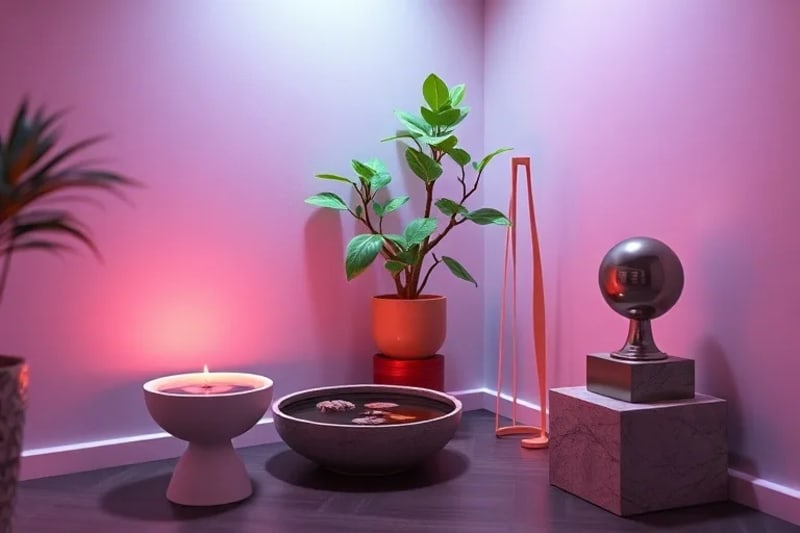
A minimalist 3D rendering showcasing the harmonious arrangement of inanimate objects representing the five elements, promoting optimal well-being.
Feng Shui for Optimal Well-being: Practical Applications
Beyond individual elemental adjustments, several advanced Feng Shui practices can universally contribute to optimal well-being when integrated with your zodiac insights. These practices focus on creating a flow of positive energy (Qi) throughout your space, supporting all aspects of life from health to relationships and career.
- Decluttering and Organization: This is the cornerstone of good Feng Shui. Clutter creates stagnant energy, blocking opportunities and clear thinking. Regularly decluttering and organizing your space allows Qi to flow freely, promoting mental clarity and emotional lightness.
- Enhancing the Bagua Map: Apply the Bagua map to your home or individual rooms to identify specific life areas (wealth, health, relationships, career) and enhance them with appropriate elemental cures. For example, if your health area (East) is weak, introduce Wood elements.
- Strategic Lighting: Use lighting to create different moods and activate specific areas. Bright lights can energize, while soft, warm lights promote relaxation. Ensure all areas are well-lit, avoiding dark corners where stagnant energy can accumulate.
- Air Quality and Ventilation: Good air circulation is vital for healthy Qi. Open windows regularly, use air purifiers, and introduce plants that improve air quality. Stale air can lead to lethargy and illness.
- Sound and Aroma: Incorporate pleasant sounds (wind chimes, soothing music) and natural aromas (essential oils, fresh flowers) to uplift the energy of your space. Avoid harsh noises or unpleasant odors.
- Personal Power Position: Ensure your bed, desk, and main seating areas are in a "commanding position," where you can see the door without being directly in line with it. This fosters a sense of security and control.
By combining these general principles with your personalized elemental adjustments, you create a multi-layered approach to well-being. This synergy ensures that your environment is not only aesthetically pleasing but also energetically aligned with your unique needs and aspirations. The continuous practice of these tips will lead to noticeable improvements in your overall life quality, fostering a sense of peace and vitality.
Common Misconceptions and Ethical Considerations
As with any ancient practice, Feng Shui and Chinese Zodiac interpretations can be subject to misconceptions. It is crucial to approach these systems with an informed and balanced perspective. One common misconception is that Feng Shui is a quick fix or a magical solution. In reality, it is a continuous process of observation, adjustment, and alignment, requiring patience and consistent effort.
Another pitfall is the belief that one must drastically alter their home or spend a fortune on specific cures. Authentic Feng Shui emphasizes subtle adjustments, thoughtful placement, and leveraging existing resources. The most powerful changes often come from decluttering, improving light and air quality, and rearranging furniture, rather than expensive purchases. The focus should always be on creating a feeling of comfort and harmony, not adherence to rigid rules.
Ethically, it is important to remember that Feng Shui and Zodiac readings are tools for self-understanding and environmental enhancement, not deterministic prophecies. They offer insights into tendencies and potentials, but individual free will and conscious choices remain paramount. Avoid any practitioner who claims absolute predictions or demands exorbitant fees for "cures." A reputable consultant will empower you with knowledge and practical advice, respecting your autonomy and personal circumstances.
The essence of advanced Feng Shui, when combined with Chinese Zodiac insights, lies in creating a living environment that resonates with your deepest self.
It is a journey of self-discovery and environmental stewardship, fostering a reciprocal relationship between you and your space.
Always prioritize comfort, practicality, and personal resonance over rigid adherence to rules that do not feel right for you.
By dispelling these misconceptions and adhering to ethical considerations, you can harness the true power of these ancient systems. The goal is to cultivate a space that supports your growth, health, and happiness, allowing you to flourish in alignment with your unique elemental and zodiacal blueprint. This mindful approach ensures that the practices serve your well-being in a genuine and sustainable way.
Conclusion
Integrating the Chinese Zodiac with advanced Feng Shui principles offers a sophisticated and personalized approach to enhancing well-being. By understanding your natal element and its interactions within the Five Element cycles, you can strategically design your living and working environments to support your inherent strengths and balance potential weaknesses. This synergy moves beyond generic advice, creating spaces that are deeply resonant with your unique energetic signature.
From selecting appropriate colors and materials to arranging furniture and incorporating symbolic objects, each adjustment contributes to a more harmonious flow of Qi. The continuous practice of these advanced tips, combined with regular decluttering and mindful living, cultivates an environment that actively promotes health, prosperity, and emotional balance. Embrace this ancient wisdom to transform your surroundings into a powerful ally on your journey toward optimal well-being and a more fulfilling life.
Source: Contenido híbrido asistido por IAs y supervisión editorial humana.


Comments
Post a Comment