
Lunar Astrology: Emotional Well-being, Moon Phases Harmony
Lunar astrology, an ancient practice rooted in observing the Moon's cycles and positions, offers a profound framework for understanding our emotional landscape and fostering inner harmony. Unlike solar astrology, which focuses on our core identity and ego, lunar astrology delves into our subconscious patterns, instincts, and emotional responses. It provides a unique lens through which to explore how the celestial dance of our closest cosmic neighbor directly impacts our daily moods, relationships, and overall well-being. By tuning into the Moon's rhythmic ebb and flow, individuals can unlock deeper self-awareness and cultivate a more balanced emotional life.
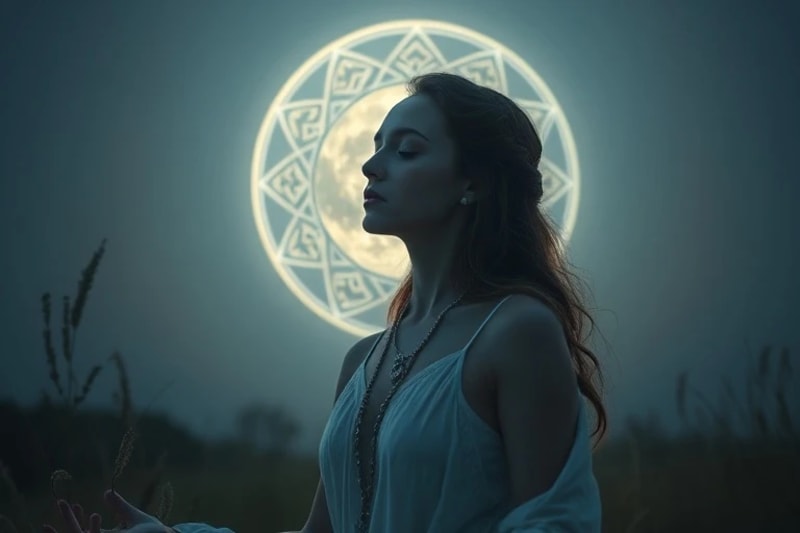
Conceptual representation of the Moon's serene influence on inner peace and emotional well-being.
Fuente visual sujeta a disponibilidad del ecosistema: Wikimedia Commons bajo licencia CC BY-SA 4.0 o renderizado conceptual IA.This article will explore the fundamental principles of lunar astrology, detailing how each moon phase carries a distinct energetic signature that can be harnessed for personal growth and emotional resilience. From the introspective New Moon to the expansive Full Moon, understanding these cycles allows us to align our intentions and actions with cosmic rhythms, leading to a more intuitive and fulfilling existence. We will also delve into practical applications, offering strategies for integrating lunar wisdom into modern life, fostering emotional intelligence, and achieving a deeper sense of harmony.
Table of Contents
- Understanding Lunar Astrology
- The Moon's Influence on Emotions
- Navigating the Moon Phases for Well-being
- Practical Applications of Lunar Astrology
- Integrating Lunar Wisdom into Daily Life
- The Science Behind the Cycles
- Common Misconceptions
Understanding Lunar Astrology
Lunar astrology is a branch of astrological study that places significant emphasis on the Moon's position, phases, and aspects within a birth chart and its transits. While solar astrology reveals our conscious identity and life path, the Moon governs our inner world: our feelings, instincts, habits, and unconscious reactions. It represents the nurturing, receptive, and reflective aspects of our personality, often manifesting in how we seek comfort, security, and emotional fulfillment. Ancient civilizations, from the Babylonians to the Egyptians and Mayans, meticulously tracked the Moon's cycles, recognizing its profound connection to natural phenomena and human behavior.
In a natal chart, the Moon's sign and house placement describe our emotional needs, our relationship with our mother or nurturing figures, and our inherent sense of security. For instance, a Moon in a water sign like Cancer, Scorpio, or Pisces suggests a deeply emotional and intuitive nature, while a Moon in an earth sign like Taurus, Virgo, or Capricorn points to a need for practical security and stability. Understanding one's Moon sign can be a powerful tool for self-discovery, offering insights into our deepest emotional drivers and how we instinctively respond to life's challenges. It helps us comprehend our baseline emotional state and what truly makes us feel safe and cared for.
Beyond the birth chart, lunar astrology also examines the ongoing transits of the Moon. As the fastest-moving celestial body, the Moon changes signs approximately every 2.5 days, creating a dynamic emotional backdrop for our collective and individual experiences. These daily shifts can explain why our moods fluctuate, why certain days feel more introspective, and others more social or action-oriented. By observing these transits, we can better anticipate emotional shifts and align our activities with the prevailing lunar energy, enhancing our productivity and emotional resilience. This continuous interaction between the Moon and our personal chart forms the basis for daily lunar guidance.
The Moon's Influence on Emotions
The Moon is universally associated with emotions, intuition, and the subconscious mind across various mystical traditions. Its gravitational pull famously dictates the ocean's tides, and metaphorically, it is believed to exert a similar influence on the "tides" within us, given that the human body is composed of approximately 60% water. This connection suggests a primal link between lunar cycles and our internal rhythms, affecting everything from our sleep patterns to our emotional sensitivity. The Moon's ever-changing appearance, from invisible New Moon to luminous Full Moon, mirrors the fluctuating nature of our feelings and inner states.
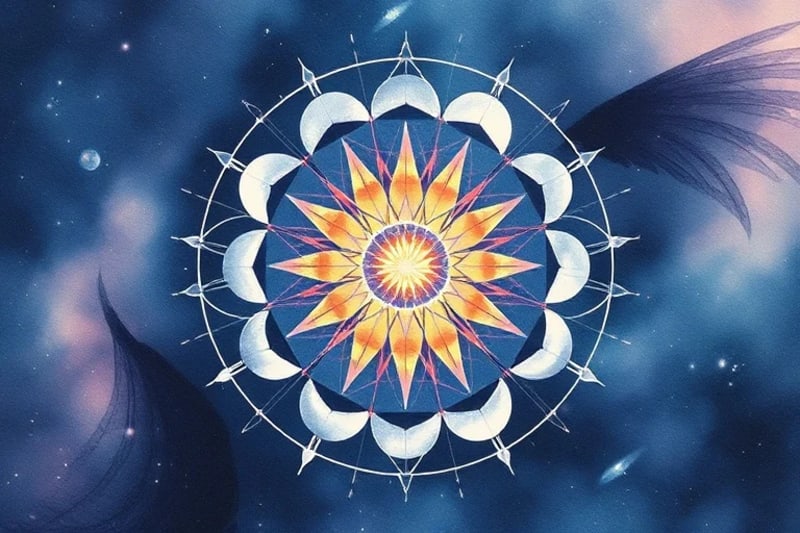
Depiction of how lunar phases subtly influence various human emotional states.
Each astrological sign the Moon transits imbues our collective emotional atmosphere with its particular qualities. When the Moon is in fiery Aries, we might feel more impulsive and energetic; in earthy Taurus, we seek comfort and stability; in airy Gemini, communication and curiosity are heightened; and in watery Cancer, our need for nurturing and emotional security becomes paramount. Understanding these daily shifts can help us validate our feelings and choose activities that are in sync with the prevailing energy. For instance, a Moon in a practical sign might be ideal for organizing, while a Moon in a creative sign could inspire artistic pursuits.
Furthermore, the Moon's aspects to other planets in the sky can create specific emotional dynamics. A challenging aspect, such as a square or opposition, might bring tension or emotional hurdles, prompting us to address unresolved feelings. Harmonious aspects, like trines or sextiles, can bring ease, flow, and opportunities for emotional connection. By tracking these aspects, we gain a deeper understanding of the energetic currents influencing our emotional landscape, allowing us to navigate them with greater awareness and intention. This intricate dance of planetary influences is a core component of Biophilic Manifestation: Nature's Blueprint Abundance Harmony, which provides advanced insights into these celestial relationships.
Navigating the Moon Phases for Well-being
The Moon's 29.5-day cycle through its eight primary phases offers a powerful rhythm for personal planning and emotional regulation. Each phase presents a unique energetic opportunity, guiding us to release, set intentions, take action, and reflect. Aligning our personal goals and emotional work with these phases can significantly enhance our sense of purpose and well-being. This cyclical approach encourages us to embrace natural ebbs and flows rather than resisting them, fostering a more harmonious relationship with ourselves and the world around us.
| Moon Phase | Emotional Energy & Focus | Recommended Activities |
|---|---|---|
| New Moon | Introspection, new beginnings, setting intentions, quiet reflection. A time for planting seeds. | Journaling, meditation, setting new goals, clearing clutter, planning future projects. |
| Waxing Crescent | Emerging energy, initial action, nurturing intentions, gathering resources. | Taking first steps, researching, brainstorming, networking, building momentum. |
| First Quarter | Challenges, decision-making, overcoming obstacles, strengthening resolve. | Problem-solving, asserting boundaries, making commitments, pushing past resistance. |
| Waxing Gibbous | Refinement, adjustment, preparing for culmination, fine-tuning efforts. | Reviewing progress, seeking feedback, organizing details, preparing for launch. |
| Full Moon | Culmination, illumination, release, emotional intensity, heightened awareness. | Celebrating achievements, releasing what no longer serves, emotional processing, gratitude practices. |
| Waning Gibbous | Gratitude, sharing wisdom, disseminating knowledge, introspection. | Teaching, mentoring, reflecting on lessons learned, sharing experiences. |
| Last Quarter | Re-evaluation, letting go, forgiveness, clearing space for the new. | Forgiving others/self, releasing old habits, decluttering, tying up loose ends. |
| Waning Crescent | Rest, surrender, deep introspection, preparing for renewal. | Resting, dreaming, spiritual practices, preparing for the next New Moon cycle. |
By understanding these energetic shifts, we can proactively manage our emotional states and align our actions with the natural flow of the cosmos. For example, the New Moon is an opportune time for setting intentions related to our North Node Houses: Soul's Purpose, Karmic Lessons, focusing on what we truly want to manifest in our lives. The Full Moon, conversely, is ideal for releasing old patterns and celebrating progress.
Practical Applications of Lunar Astrology
Integrating lunar astrology into daily life offers a practical pathway to enhanced emotional well-being. One of the simplest applications is journaling according to the moon phases. During the New Moon, dedicate time to write down your intentions and desires for the upcoming lunar cycle. As the Moon waxes, document your progress, challenges, and insights. At the Full Moon, reflect on what has come to fruition and what needs to be released. This practice creates a tangible record of your emotional and spiritual journey, fostering self-awareness and accountability.
An abstract representation of the Moon's central role in cosmic rhythms and emotional alignment.
Another powerful application involves ritual and mindful action. For instance, New Moon rituals can involve planting actual seeds or starting a new creative project, symbolizing your intentions. Full Moon rituals often focus on releasing negative emotions or habits through practices like writing them down and burning the paper (safely). These symbolic actions help to solidify your emotional work and create a deeper connection to the lunar energies. Even simple acts like a mindful walk during a particular phase can be transformative, allowing you to absorb the prevailing energy.
Furthermore, lunar astrology can inform your daily planning and decision-making. By consulting a lunar calendar, you can strategically schedule important meetings, creative endeavors, or periods of rest. For example, scheduling a challenging conversation during a waxing moon might provide the necessary energy for assertive communication, while a waning moon could be better for introspection and quiet work. This conscious alignment can reduce stress and enhance efficiency, making your efforts more fruitful. This approach complements the principles of Guided Meditation Cosmic Alignment Planetary Energies Manifestation, which offers even more granular timing for specific activities.
Integrating Lunar Wisdom into Daily Life
To truly integrate lunar wisdom, it's essential to cultivate a continuous awareness of the Moon's presence and its subtle effects. Start by simply observing the Moon in the night sky whenever possible. Notice its phase, its brightness, and how it makes you feel. This direct observation helps to build an intuitive connection that goes beyond theoretical knowledge. Keep a lunar calendar handy, either a physical one or an app, to track the phases and their corresponding astrological signs. This visual reminder can prompt you to align your activities and emotional check-ins.
Developing a "lunar mindset" means embracing fluidity and cycles rather than rigid linearity. Recognize that there will be times for outward action and times for inward reflection, just as the Moon waxes and wanes. This perspective can reduce self-judgment during periods of low energy and encourage celebration during times of high productivity. It fosters a more compassionate relationship with your own emotional fluctuations, understanding them as natural rather than problematic. This holistic view extends to our connection with the planet, as explored in Chrono-Astrology Ancestral Echoes Navigating Personal Time Cycles, emphasizing our interconnectedness.
Consider incorporating lunar-aligned self-care practices. During the New Moon and waning phases, prioritize rest, gentle detoxes, and introspective activities like meditation or quiet reading. During waxing and Full Moon phases, engage in more energetic activities, social gatherings, and creative expression. Hydration is also key, as the Moon influences water; ensuring adequate water intake can help maintain emotional and physical balance throughout the lunar cycle. By consciously choosing activities that resonate with the Moon's current energy, you create a supportive environment for your emotional well-being.
The Science Behind the Cycles
While lunar astrology is primarily a spiritual and intuitive practice, it's worth noting that scientific research has explored the Moon's influence on Earth and its inhabitants. The most undeniable scientific link is the Moon's gravitational pull on ocean tides. This physical force is a measurable phenomenon, demonstrating the Moon's tangible impact on our planet. Some theories propose that this gravitational influence could subtly affect bodily fluids, though direct, conclusive evidence for a significant impact on human emotions or behavior remains elusive in mainstream science.
Studies have also investigated potential correlations between lunar cycles and various biological processes, including sleep patterns, menstrual cycles, and even hospital admissions. For example, some research suggests that sleep quality might be slightly diminished around the Full Moon, with individuals taking longer to fall asleep and experiencing less deep sleep. However, these findings are often debated, and many studies yield inconsistent results, making it difficult to draw definitive conclusions. The scientific community generally requires more robust and replicable evidence to establish direct causal links between lunar phases and human behavior beyond anecdotal observations.
Despite the lack of widespread scientific consensus on direct emotional causation, the psychological impact of believing in lunar influences can be significant. The act of observing and aligning with natural cycles can foster mindfulness, reduce stress, and provide a sense of connection to something larger than oneself. This "placebo effect" or the power of intention should not be underestimated in its ability to enhance well-being. Furthermore, the Moon's light cycle undeniably affects nocturnal animals and can indirectly influence human activities by altering ambient light levels, which in turn can impact circadian rhythms.
Common Misconceptions
Several misconceptions often surround lunar astrology, leading to misunderstandings about its true purpose and application. One common belief is that the Full Moon directly causes madness or extreme behavior, a notion perpetuated by the term "lunacy." While the Full Moon can indeed heighten emotions and bring things to a head, it doesn't inherently cause irrationality. Instead, it illuminates existing emotional patterns and unresolved issues, bringing them to the surface for acknowledgment and release. It's a time of emotional intensity, not necessarily instability.
The Moon's influence is often subtle and psychological rather than overtly dramatic. Its power lies in its ability to reflect our inner world and provide a cyclical framework for self-awareness and emotional growth.
It acts as a mirror, showing us what needs attention, rather than a direct manipulator of our actions.
Another misconception is that lunar astrology dictates destiny or removes personal agency. On the contrary, lunar astrology is a tool for empowerment. It provides insights into energetic currents and emotional tendencies, but how we choose to respond to these influences is entirely within our control. It's about working *with* the energy, not being controlled *by* it. Understanding the Moon's phases allows us to make conscious choices that align with natural rhythms, rather than passively experiencing their effects.
Finally, some might view lunar astrology as a rigid set of rules. However, it is more accurately described as a flexible guide. While the general energies of each phase are consistent, their manifestation can vary greatly depending on an individual's unique birth chart, current life circumstances, and personal development. The key is to use lunar astrology as a framework for observation and experimentation, adapting its principles to your own experience rather than adhering to them dogmatically. It encourages a personalized approach to emotional harmony.
In conclusion, lunar astrology offers a rich and nuanced approach to understanding our emotional lives and cultivating harmony. By recognizing the Moon's profound influence on our instincts, moods, and subconscious patterns, we can learn to navigate its cycles with greater awareness and intention. Embracing the rhythm of the moon phases empowers us to set meaningful intentions, release what no longer serves us, and align our actions with the natural flow of the cosmos. This ancient wisdom, when applied mindfully, becomes a powerful tool for self-discovery, emotional resilience, and achieving a deeper sense of well-being in our modern world.
Related Searches
Source: Hybrid content assisted by AI and human editorial supervision.


Comments
Post a Comment