
Parenting Astrology: Nurturing Child Growth with Birth Chart Insights | StarPluto
Parenting is a journey filled with both immense joy and significant challenges. Every child is a unique individual, and understanding their innate personality, emotional needs, and potential can be a powerful tool for fostering their growth. While traditional psychology offers valuable insights, the ancient practice of astrology provides an additional, often overlooked, lens through which to view your child's cosmic blueprint: their birth chart.
By delving into the positions of the Sun, Moon, planets, and houses at the exact moment of their birth, parents can gain profound insights into their child's core motivations, emotional responses, learning styles, and even their natural inclinations. This knowledge isn't about predicting destiny, but rather about understanding predispositions, allowing parents to tailor their approach, offer targeted support, and celebrate their child's authentic self. It's about nurturing their unique spirit rather than trying to fit them into a predefined mold.
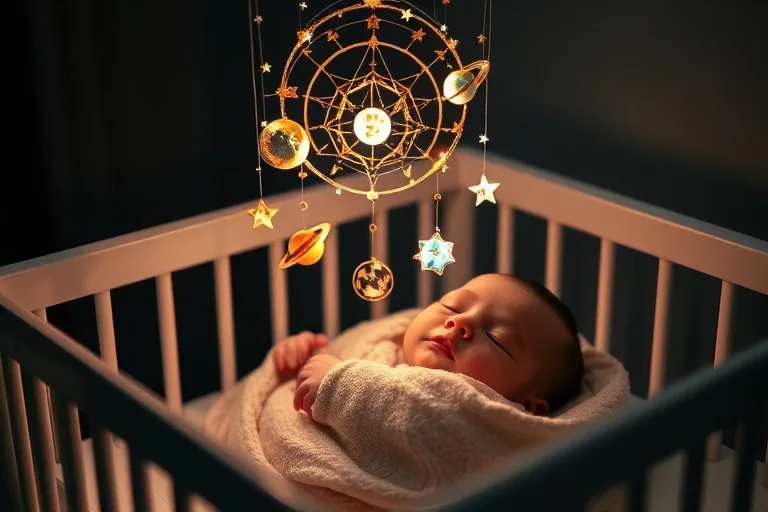
Understanding your child's birth chart can illuminate their unique path and inform a more intuitive parenting style.
This guide explores how to use astrological insights to become a more attuned and effective parent, empowering your child to thrive by recognizing and honoring their inherent strengths and challenges. It offers a framework for understanding the diverse facets of their personality, from their communication style to their emotional world, and how these elements interact to form their complete being. The goal is to move beyond generic parenting advice and embrace a personalized approach that truly resonates with your child's individual needs.
The Birth Chart Basics for Parents
A child's birth chart, also known as a natal chart, is a snapshot of the heavens at the precise moment and location of their birth. It's a complex map, but for parenting purposes, focusing on a few key components can provide immense value. These foundational elements offer a broad overview of their core identity and emotional landscape.
- The Sun Sign (Ego & Core Identity): This is what most people refer to as their "zodiac sign." It represents the child's fundamental essence, their conscious self, ego, and life purpose. Knowing your child's Sun sign can reveal their basic drives, how they express themselves, and what truly makes them feel alive. For example, a child with a Leo Sun might naturally seek attention and creative expression, while a Virgo Sun child might be more analytical and detail-oriented. Understanding this helps parents appreciate their child's inherent spirit and guide them toward activities that align with their core nature.
- The Moon Sign (Emotional Nature & Needs): The Moon governs emotions, instincts, security, and how a child seeks comfort. It reveals their inner world and how they react to their environment. A Cancer Moon child, for instance, might be highly sensitive and need a strong sense of emotional security, whereas an Aquarius Moon child might process emotions more intellectually and value independence. Recognizing their Moon sign allows parents to provide the specific emotional nourishment and environment their child needs to feel safe and understood.
- The Ascendant/Rising Sign (First Impressions & Outer Persona): The Ascendant represents the zodiac sign that was rising on the eastern horizon at the moment of birth. It dictates a child's outward personality, their initial approach to the world, and how others perceive them. It also influences their physical appearance and general demeanor. A child with an Aries Ascendant might appear energetic and direct, while a Libra Ascendant child might come across as charming and diplomatic. Knowing this helps parents understand their child's initial reactions and how they present themselves to the world, offering insights into their social interactions and self-expression.
These three pillars—Sun, Moon, and Ascendant—form the bedrock of a child's astrological profile. By understanding these core placements, parents can begin to decode their child's unique operating system, moving beyond surface behaviors to address their deeper needs and motivations. This foundational knowledge is crucial for building a strong, supportive relationship based on genuine understanding and respect for their individuality. Further exploration into the entire Tarot Quantum Mechanics Intersecting Divination Reality can reveal even more intricate details about their personality.
Understanding Key Planetary Influences
Beyond the Sun, Moon, and Ascendant, each planet in a child's birth chart symbolizes a specific function or area of life. Their placement in signs and houses, and their aspects to other planets, color how these functions are expressed. Understanding these planetary influences can offer a nuanced perspective on your child's development.
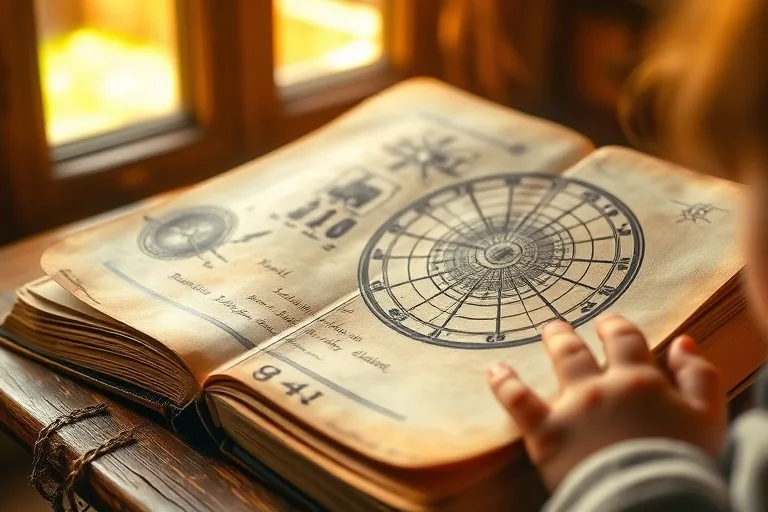
Combining ancient wisdom with modern understanding to guide your child's journey.
- Mercury (Communication & Learning): Mercury reveals how your child thinks, learns, and communicates. A child with Mercury in Gemini might be quick-witted and curious, enjoying diverse topics and social interaction. Conversely, Mercury in Capricorn might indicate a more structured, practical, and methodical learner. Knowing this helps parents adapt teaching methods, encourage effective communication, and identify potential learning challenges or strengths. It's about fostering their natural intellectual curiosity.
- Venus (Love, Values & Socializing): Venus governs affection, aesthetic preferences, values, and how a child relates to others. A child with Venus in Libra will likely seek harmony and fairness in relationships, enjoying beauty and art. Venus in Aries might express affection more directly and passionately, valuing independence in friendships. This insight helps parents understand their child's unique love language, their approach to friendships, and what brings them joy, guiding them in developing healthy relationships and self-esteem.
- Mars (Energy, Drive & Assertiveness): Mars represents a child's energy, drive, courage, and how they assert themselves or handle conflict. A Mars in Scorpio child might be intensely focused and determined, potentially struggling with anger management if not guided. Mars in Taurus might be slower to anger but incredibly stubborn once their mind is set. Understanding their Mars placement helps parents guide their child in channeling their energy constructively, developing healthy assertiveness, and navigating disagreements.
- Jupiter (Growth, Beliefs & Optimism): Jupiter signifies areas of expansion, luck, higher learning, and personal philosophy. It indicates where a child finds optimism, faith, and opportunities for growth. A child with Jupiter in Sagittarius might have a natural love for travel, philosophy, and exploring new cultures, while Jupiter in Cancer might find expansion through nurturing and family connections. Parents can use this to encourage their child's natural talents, foster a sense of purpose, and support their evolving belief systems.
The Houses: Mapping Life's Arenas
The 12 houses of the zodiac represent different areas of life where planetary energies manifest. The sign on the cusp of each house, and any planets within it, reveal where a child's focus and experiences will lie. For parents, understanding the houses can help contextualize their child's behaviors and needs within specific life domains.
- 1st House (Self & Identity): Governed by the Ascendant, this house speaks to the child's self-image, physical body, and how they initiate things. Planets here strongly influence their core identity.
- 2nd House (Values & Resources): This house relates to a child's sense of self-worth, their relationship with money and possessions, and their innate talents. It reveals what they value and how they acquire resources, both material and personal.
- 3rd House (Communication & Early Learning): Rules siblings, short journeys, and the immediate environment. It's crucial for understanding a child's early education, communication style, and how they interact with peers.
- 4th House (Home & Family Roots): Represents the child's home environment, family roots, and emotional foundations. It shows what they need to feel secure and nurtured at home. For deeper insights into the Imum Coeli, which is the cusp of the 4th house, refer to our dedicated article.
- 5th House (Creativity & Play): Governs creative expression, hobbies, romance, and children (their own future children). It reveals how a child expresses joy, plays, and engages in self-expression.
- 6th House (Health & Routine): Relates to daily routines, health, service, and work. It can indicate a child's approach to chores, their physical well-being, and their sense of responsibility.
- 7th House (Relationships & Partnerships): Focuses on one-on-one relationships, including friendships and future partnerships. It shows how a child seeks balance and connection with others.
- 8th House (Transformation & Shared Resources): Deals with deep psychological matters, shared resources, intimacy, and transformation. It can indicate a child's capacity for deep emotional bonds and resilience.
- 9th House (Higher Learning & Philosophy): Governs higher education, travel, philosophy, and spiritual beliefs. It reveals a child's quest for knowledge and understanding of the world.
- 10th House (Career & Public Image): Represents career, public reputation, and life direction. It offers clues about a child's ambitions and how they will make their mark in the world. The Midheaven (MC), the cusp of this house, is particularly significant here.
- 11th House (Friendships & Hopes): Relates to groups, friendships, social causes, and hopes for the future. It shows how a child connects with their community and their aspirations.
- 12th House (Spirituality & Subconscious): Governs the subconscious mind, spirituality, hidden strengths, and self-undoing. It can indicate a child's need for solitude, their intuitive abilities, and areas where they might feel vulnerable.
By observing which houses are emphasized by planetary placements, parents can identify key areas of life that will be significant for their child. For instance, a child with many planets in the 5th house might naturally gravitate towards creative pursuits and need outlets for self-expression, while a strong 6th house might indicate a child who thrives on routine and helping others. These insights help parents create an environment that supports their child's natural inclinations in various life spheres.
Practical Applications of Astrological Parenting
Translating astrological knowledge into practical parenting strategies involves observing your child's natural tendencies and aligning your approach with their unique cosmic blueprint. This isn't about rigid categorization but about flexible understanding.

Each child's birth chart is a unique map of their potential, guiding parents to foster their individual strengths.
- Tailoring Parenting Styles: If your child has a fiery Sun or Mars placement (Aries, Leo, Sagittarius), they might respond better to directness and opportunities for independence, rather than overly restrictive rules. A child with strong water placements (Cancer, Scorpio, Pisces) might need more emotional reassurance and a gentle approach. Adjusting your communication and disciplinary methods to resonate with their core energy can significantly reduce friction and foster cooperation.
- Identifying Natural Talents and Challenges: A prominent Jupiter in the 5th house might suggest a child with natural creative flair and a love for performance. A challenging Saturn aspect to Mercury could indicate a child who struggles with self-doubt in their communication or learning, requiring extra encouragement and patience. Recognizing these areas early allows parents to provide resources for their talents and targeted support for their challenges, helping them build confidence and overcome obstacles.
- Fostering Emotional Intelligence: The Moon sign is paramount here. Understanding if your child needs quiet time to process emotions (e.g., Pisces Moon) or if they need to express them outwardly (e.g., Aries Moon) is vital. Parents can teach appropriate emotional regulation strategies that align with their child's natural emotional wiring, fostering a strong sense of emotional intelligence and self-awareness.
- Navigating Sibling Dynamics: When you have multiple children, their birth charts can reveal how their personalities might interact. A child with a strong Mars might naturally clash with a more passive Venusian child. Understanding these dynamics can help parents mediate conflicts, encourage empathy, and highlight each child's unique contribution to the family unit, promoting harmony.
The beauty of astrological parenting lies in its ability to provide a personalized roadmap. It encourages parents to see their child not just as a blank slate or a miniature version of themselves, but as a complex being with inherent strengths, vulnerabilities, and a unique life path. This approach cultivates a deeper bond and empowers children to grow into authentic, self-aware individuals.
Ethical Considerations and Limitations
While astrology offers valuable insights, it's crucial to approach it with an ethical and balanced perspective. It is a tool for understanding, not a definitive prophecy or an excuse for behavior. Misinterpreting or misusing astrological information can be counterproductive.
- Avoid Labeling and Stereotyping: A birth chart is a complex tapestry, not a single label. Avoid reducing your child to their Sun sign or any single planetary placement. For example, don't dismiss a child's emotional outburst simply as "that's just their Scorpio Moon." Instead, use the insight to understand the depth of their emotions and guide them through it.
- Focus on Potential, Not Predestination: Astrology highlights predispositions and potentials, not fixed destinies. A challenging aspect in a child's chart doesn't mean they are doomed to struggle; it means they have a specific area where growth and development are needed. Parents can help them navigate these challenges and turn them into strengths.
- Respect Individuality and Free Will: Every child has free will. Astrological insights should empower parents to support their child's choices, not dictate them. The goal is to understand their natural inclinations so you can offer appropriate guidance, not to force them onto a predetermined path.
- Combine with Other Parenting Tools: Astrology is one tool among many. It should complement, not replace, common sense, psychological understanding, educational best practices, and your own parental intuition. A holistic approach is always best for child development.
- Maintain Confidentiality and Privacy: A child's birth chart is personal information. Share insights responsibly and respectfully, especially as your child grows older. They should have the agency to explore their own chart when they are ready.
By adhering to these ethical guidelines, parents can leverage astrological wisdom in a way that is truly beneficial and supportive for their children, fostering an environment of understanding, acceptance, and empowered growth. It's about using the stars as a guide, not as a rigid rulebook.
Conclusion: Nurturing Growth with Cosmic Wisdom
Parenting with astrology offers a fascinating and deeply insightful approach to raising children. By understanding the unique cosmic blueprint of their birth chart, parents can gain unparalleled clarity into their child's core identity, emotional landscape, learning styles, and areas of natural talent and challenge. This knowledge empowers parents to move beyond one-size-fits-all methods and adopt a personalized, intuitive style that truly resonates with their child's individual needs.
From tailoring communication strategies based on Mercury's placement to fostering emotional resilience guided by the Moon and Saturn, astrological insights provide a roadmap for nurturing growth. It encourages empathy, respect for individuality, and the creation of an environment where children feel seen, understood, and supported in becoming their most authentic selves. As a complementary tool, astrology enriches the parenting journey, transforming potential challenges into opportunities for profound connection and development, ultimately building stronger family bonds and happier, well-adjusted children.
Frequently Asked Questions (FAQ)
- How accurate is a birth chart for understanding a child?
A birth chart provides a symbolic map of potentials and predispositions, offering deep insights into personality and behavioral patterns. Its accuracy relies on precise birth data (date, time, and location) and a skilled interpretation. It's a tool for understanding, not a rigid prediction, allowing for informed parenting rather than deterministic views.
- Do I need to be an expert in astrology to use it for parenting?
No, you don't need to be an expert. Starting with the basics—Sun, Moon, and Ascendant signs—can provide significant insights. Many resources offer simplified interpretations for parents. As you become more comfortable, you can gradually explore planetary placements and house meanings. The goal is practical application, not mastery of complex astrological techniques.
Fuente: Contenido híbrido asistido por IAs y supervisión editorial humana.


Comments
Post a Comment