
Pet Astrology: Decoding Cosmic Chart for Deeper Bonds | StarPluto
The bond between humans and their animal companions is profound, often transcending verbal communication and entering a realm of deep intuition and unconditional love. Just as human astrology offers insights into personality traits, life paths, and emotional landscapes, the emerging field of pet astrology seeks to apply these ancient wisdoms to our furry, feathered, or scaled friends. By understanding your pet's cosmic chart, you can unlock a deeper comprehension of their unique behaviors, needs, and even their health predispositions, fostering a more harmonious and supportive relationship.
This guide aims to introduce you to the fascinating world of pet astrology, providing an educational and accessible framework for interpreting your animal's birth chart. Whether you're a seasoned astrologer or new to the concepts, the principles remain the same: the positions of celestial bodies at the moment of birth can reveal significant characteristics. For pets, this translates into understanding their core personality, emotional responses, instinctive behaviors, and even their preferred ways of interacting with the world. Let's embark on this cosmic journey to deepen your connection with your beloved companion.
Table of Contents:
- Why Apply Astrology to Pets?
- How to Create a Pet's Birth Chart
- Understanding Your Pet's Sun Sign: Core Personality
- The Moon Sign: Emotional World and Needs
- Ascendant (Rising Sign): First Impressions and Instincts
- Planetary Placements: Deeper Insights
- Houses in a Pet's Chart: Areas of Life
- Key Aspects: Behavioral Patterns
- Health and Well-being Through Pet Astrology
- Strengthening Your Bond: Astrological Compatibility
- Practical Applications for Pet Care
- Limitations and Ethical Considerations
- Conclusion
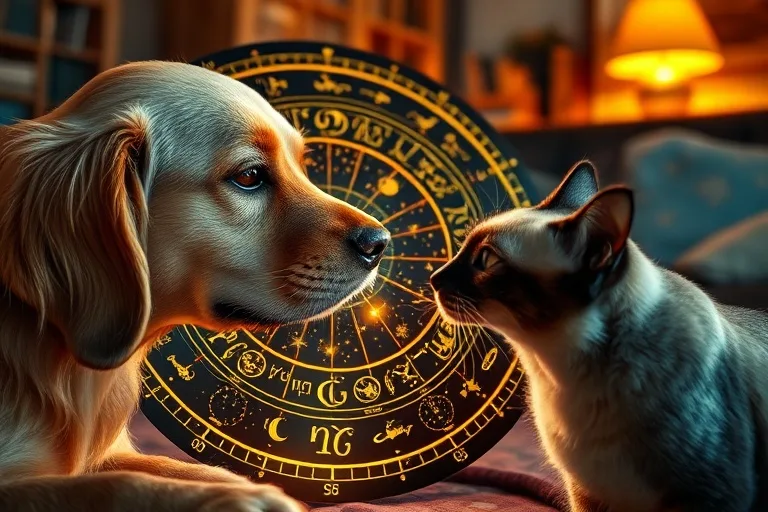
Exploring the celestial map with our beloved pets can reveal profound insights into their unique personalities and needs.
Why Apply Astrology to Pets?
Pet astrology is not about predicting whether your cat will win the next cat show or if your dog will find true love at the dog park. Instead, it's a tool for understanding their innate nature, much like human astrology helps us understand ourselves. It provides a framework for recognizing patterns in their behavior, emotional responses, and even their physical vitality.
By delving into their birth chart, you can gain clarity on why your dog might be exceptionally loyal (Taurus Moon), why your cat is fiercely independent (Aries Sun), or why your bird loves to chatter constantly (Gemini Ascendant). This knowledge can empower you to tailor their environment, training, and care to better suit their individual cosmic blueprint, leading to a happier and healthier pet. It's about fostering empathy and creating a more intuitive connection.
How to Create a Pet's Birth Chart
Creating a pet's birth chart requires the same information as a human chart: the exact date, time, and location of their birth. While the date and location are often known (especially for purebreds or shelter animals with records), the exact time can be challenging to ascertain. If the precise birth time is unknown, a "sunrise chart" can be cast, using sunrise as the assumed birth time, which places the Sun in the 1st House.
Alternatively, a "noon chart" can be used, placing the Sun at the Midheaven. While these methods won't provide an accurate Ascendant or house placements, they still offer valuable insights into the Sun and Moon signs, as well as planetary aspects. Many online astrological calculators allow you to input this information to generate a visual birth chart for your animal companion.
Understanding Your Pet's Sun Sign: Core Personality
The Sun sign represents the core essence, ego, and fundamental personality of your pet. It describes their basic drive, their main way of expressing themselves, and their inherent vitality. For example, an Aries Sun pet might be bold, energetic, and a bit bossy, always wanting to be first. A Cancer Sun pet, conversely, would likely be nurturing, sensitive, and deeply attached to their home and family.
Understanding this core energy helps you appreciate their innate temperament. It explains why some pets are natural leaders and adventurers, while others prefer comfort, routine, and close companionship. This insight can guide you in choosing appropriate activities, toys, and even training methods that resonate with their fundamental nature.
- Aries Sun Pet: Energetic, brave, impulsive, loves to lead.
- Taurus Sun Pet: Affectionate, stubborn, enjoys comfort, food-motivated.
- Gemini Sun Pet: Curious, communicative, playful, easily bored.
- Cancer Sun Pet: Nurturing, sensitive, home-loving, prone to anxiety.
- Leo Sun Pet: Regal, attention-seeking, loyal, loves to be admired.
- Virgo Sun Pet: Meticulous, shy, health-conscious, enjoys routines.
- Libra Sun Pet: Harmonious, charming, seeks companionship, dislikes conflict.
- Scorpio Sun Pet: Intense, loyal, possessive, deeply emotional.
- Sagittarius Sun Pet: Adventurous, free-spirited, optimistic, loves exploration.
- Capricorn Sun Pet: Reserved, disciplined, loyal, seeks structure.
- Aquarius Sun Pet: Unique, independent, friendly but aloof, enjoys novelty.
- Pisces Sun Pet: Sensitive, dreamy, empathetic, prone to escapism.
The Moon Sign: Emotional World and Needs
The Moon sign in a pet's chart reveals their emotional nature, instinctive reactions, and what makes them feel safe and nurtured. It speaks to their deepest needs for comfort, security, and how they express affection. A pet with a Moon in Leo, for instance, might crave dramatic displays of affection and feel most secure when they are the center of attention.
Understanding a pet's emotional world, symbolized by their Moon sign, helps foster a deeper, more empathetic bond.
Conversely, a pet with a Moon in Capricorn might be more reserved in their affection, preferring consistent routines and a stable environment over effusive praise. Recognizing these emotional patterns can help you provide the right kind of comfort and reassurance, reducing stress and enhancing their sense of well-being. It also sheds light on their attachment styles and how they cope with changes or new situations.
Ascendant (Rising Sign): First Impressions and Instincts
The Ascendant, or Rising Sign, represents how your pet appears to the world, their immediate instinctive reactions, and their physical demeanor. It's the "mask" they wear and how they initiate interaction. A pet with a Scorpio Ascendant might appear intense, watchful, and perhaps a bit mysterious upon first meeting, even if their Sun sign is a more jovial Sagittarius.
This sign also offers clues about their physical characteristics and general vitality. For example, a pet with a Gemini Ascendant might be quick, agile, and have a curious, darting gaze, while a Taurus Ascendant pet might be sturdy, calm, and move with deliberate grace. Knowing their Ascendant can help you understand their initial responses to strangers, new environments, and how they present themselves to the world.
Planetary Placements: Deeper Insights
Beyond the Sun, Moon, and Ascendant, each planet in your pet's chart offers specific insights into different facets of their personality and behavior. These placements are crucial for a nuanced understanding:
- Mercury: Communication and Learning. A Mercury in Virgo pet might be highly trainable and responsive to verbal commands, while a Mercury in Pisces might communicate through subtle cues and intuition.
- Venus: Affection and Pleasure. This planet shows how your pet expresses love, what they enjoy, and their aesthetic preferences. A Venus in Libra pet might seek harmonious interactions and enjoy being groomed, whereas a Venus in Aries might show affection boisterously.
- Mars: Drive and Energy. Mars indicates your pet's energy levels, how they assert themselves, and their play style. A Mars in Leo pet might love dramatic play and showing off, while a Mars in Capricorn might be more focused and determined in their activities.
- Jupiter: Growth and Benevolence. Jupiter highlights areas of luck, expansion, and where your pet experiences joy. A Jupiter in Sagittarius pet might love to travel and explore new places, always optimistic.
- Saturn: Structure and Discipline. Saturn reveals where your pet might face challenges, their sense of responsibility, and their need for boundaries. A Saturn in Taurus pet might be slow to adapt but incredibly persistent once they learn something.
- Outer Planets (Uranus, Neptune, Pluto): These planets represent generational influences and deeper, often subconscious, patterns. While their effects are more subtle in pets, they can indicate unique quirks, sensitivities, or intense loyalties.
Houses in a Pet's Chart: Areas of Life
The twelve houses of the zodiac represent different areas of life, and in a pet's chart, they can indicate where their energy is focused. For example:
- 1st House (Self): Their physical body, appearance, and immediate personality.
- 2nd House (Possessions): Their toys, food, and sense of security. A strong 2nd House might indicate a pet that guards their resources.
- 3rd House (Communication & Environment): Their immediate surroundings, siblings (other pets), and how they interact with their daily environment.
- 4th House (Home & Family): Their deep emotional roots, home life, and relationship with their primary caregivers.
- 5th House (Play & Creativity): Their joy, playfulness, and how they express themselves creatively (e.g., a dog who "sings").
- 6th House (Health & Routine): Their daily habits, health, and service to their owner. This house is crucial for understanding health predispositions.
- 7th House (Partnerships): Their relationship with their main human companion or other animal companions.
- 8th House (Transformation & Shared Resources): Deep bonds, shared resources, and sometimes intense experiences.
- 9th House (Exploration & Adventure): Their desire for new experiences, travel, or philosophical understanding (yes, even for pets!).
- 10th House (Public Image & Purpose): Their role in the family, how they are perceived, or their "job" (e.g., a working dog).
- 11th House (Friends & Groups): Their social life, interactions with other animals or people in a group setting.
- 12th House (Hidden Matters & Spirituality): Their subconscious, hidden fears, or spiritual connection. A strong 12th House might indicate a highly sensitive or intuitive pet.
Planets placed in specific houses will color how that life area is expressed. For instance, Venus in the 5th House would indicate a pet that finds immense joy and expresses affection through play and creative activities.
Key Aspects: Behavioral Patterns
Aspects are the angles planets make to each other in the birth chart, indicating how these planetary energies interact. They reveal the dynamic interplay of your pet's personality traits and can explain complex behavioral patterns. Conjunctions (planets together) blend energies, while oppositions (planets 180 degrees apart) can create tension or balance.
Trines (120 degrees) suggest easy flow and natural talents, whereas squares (90 degrees) indicate areas of challenge and growth. For example, a Mars square Saturn might point to a pet that struggles with impulsivity versus discipline, leading to frustration during training. A Venus trine Jupiter, on the other hand, would suggest a naturally affectionate and joyful pet with an easygoing disposition.
Health and Well-being Through Pet Astrology
One of the most practical applications of pet astrology lies in identifying potential health predispositions. Each zodiac sign and planet is associated with specific body parts and health concerns. While not a substitute for veterinary care, this can offer complementary insights for preventative measures and understanding chronic issues.
For instance, Aries rules the head, so an Aries-heavy chart might suggest a predisposition to head injuries or dental issues. Taurus rules the throat and neck, indicating potential for thyroid or throat problems. The 6th House, ruling daily routines and health, and any planets within it, are particularly significant. A stressed planet in the 6th House could point to an area requiring extra attention in their diet or lifestyle. This connection between elements and health can be very insightful.
| Zodiac Sign | Associated Body Parts / Health Focus |
|---|---|
| Aries | Head, brain, eyes (prone to injuries, fevers) |
| Taurus | Throat, neck, ears, thyroid (prone to infections, weight gain) |
| Gemini | Lungs, paws/limbs, nervous system (prone to respiratory issues, anxiety) |
| Cancer | Stomach, digestive system, breasts (prone to digestive upset, emotional eating) |
| Leo | Heart, spine, back (prone to heart conditions, back issues) |
| Virgo | Intestines, pancreas, nervous system (prone to digestive sensitivities, stress-related illness) |
| Libra | Kidneys, bladder, skin (prone to urinary issues, skin allergies) |
| Scorpio | Reproductive organs, excretory system (prone to infections, hormonal imbalances) |
| Sagittarius | Hips, thighs, liver (prone to hip dysplasia, liver issues) |
| Capricorn | Bones, joints, teeth, skin (prone to arthritis, dental problems) |
| Aquarius | Circulatory system, ankles (prone to circulation issues, unusual ailments) |
| Pisces | Paws, lymphatic system, immune system (prone to sensitivities, infections) |
Strengthening Your Bond: Astrological Compatibility
Just as human relationships benefit from understanding compatibility, so too can your bond with your pet. By comparing your birth chart with your pet's, you can identify areas of natural synergy and potential friction. This is known as synastry. For example, if you have a strong Earth element in your chart and your pet has a strong Water element, you might find a natural emotional flow and nurturing dynamic.
Conversely, a clash of elements or challenging aspects between your charts might explain why certain behaviors are particularly frustrating or why you struggle to understand each other in specific situations. This doesn't mean incompatibility; rather, it highlights areas where conscious effort and adaptation can strengthen the connection. For more on this, consider exploring synastry relationship dynamics.
Practical Applications for Pet Care
The insights gained from pet astrology can be directly applied to various aspects of your pet's care and daily life:
- Training: Tailor your training methods to their Mercury and Mars placements. A pet with Mercury in Gemini will likely respond well to varied, engaging lessons, while a Mercury in Taurus might need more repetition and patience.
- Diet and Nutrition: Consider their Sun and 6th House placements for dietary needs. Some signs might thrive on high-energy foods, while others require more gentle, easily digestible options.
- Exercise and Play: Match activities to their Mars and Sun signs. An active Aries or Sagittarius pet needs plenty of vigorous exercise, whereas a more sedentary Taurus or Pisces might prefer gentle walks and indoor play.
- Environment: Create a home environment that supports their Moon and 4th House needs. A Cancer Moon pet will thrive in a cozy, secure space, while an Aquarius Moon might appreciate unique, stimulating elements.
- Emotional Support: Understand their Moon sign to provide appropriate comfort. A Leo Moon pet needs adoration, while a Capricorn Moon pet needs stability and respect.
- Behavioral Issues: Astrological insights can sometimes pinpoint the root cause of behavioral challenges, allowing for more targeted interventions. For example, a pet acting out might have a challenging Pluto aspect indicating deep-seated power struggles or fears.
Integrating astrological insights into daily pet care, from play to training, can significantly enhance their well-being.
Limitations and Ethical Considerations
While pet astrology offers a wonderful lens through which to view our companions, it's crucial to approach it with a balanced perspective. Astrology is a symbolic language, not a definitive science. It should always be used as a complementary tool, not a replacement for professional veterinary care, animal behaviorists, or common sense.
Ethically, the goal is always to enhance the pet's life and deepen the human-animal bond, not to project human expectations or limitations onto them. Remember that every animal is an individual, and their chart is just one piece of their complex identity. Observation, love, and responsiveness to their immediate needs remain paramount.
Conclusion
Pet astrology provides a unique and enriching way to understand the creatures who share our lives and hearts. By exploring their cosmic charts, we gain invaluable insights into their core personalities, emotional needs, instinctive behaviors, and even potential health tendencies. This deeper understanding empowers us to be more attuned caregivers, fostering environments that truly resonate with our pets' individual natures.
Embracing pet astrology is an act of profound empathy, allowing us to move beyond superficial observations and connect with our animal companions on a soul level. It's a journey of discovery that promises not only a happier, healthier pet but also a more fulfilling and intuitive bond for both of you. May your shared cosmic journey be filled with joy, understanding, and unconditional love.
Fuente: Contenido híbrido asistido por IAs y supervisión editorial humana.


Comments
Post a Comment