
Wheel of the Year: Astrological Significance | StarPluto
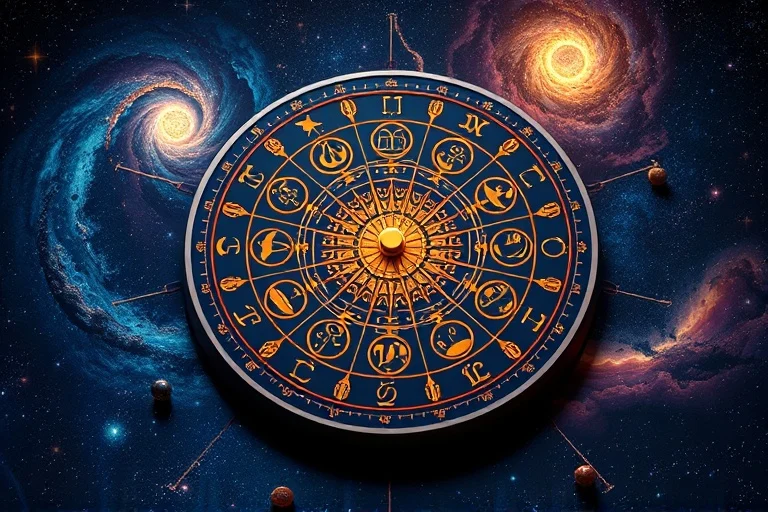
The Wheel of the Year is an annual cycle of seasonal festivals, observed by many Pagans and Wiccans, that marks the turning points of the sun's journey and the natural rhythms of the Earth. Far from being merely a calendar of celebrations, it represents a profound spiritual and astrological framework that connects humanity to the cosmos and the changing seasons. Understanding this wheel offers a deeper appreciation for the interplay between celestial mechanics and earthly life, providing a roadmap for personal growth and spiritual alignment.
This ancient concept, rooted in agricultural and solar observations, provides a rich tapestry for exploring the energetic shifts that occur throughout the year. Each of the eight festivals, known as Sabbats, corresponds to a specific phase in the Earth's annual cycle, reflecting themes of birth, growth, death, and rebirth. By delving into their astrological significance, we can unlock powerful insights into our own inner cycles and how best to harmonize with the universe's grand design.
Table of Contents
- Introduction to the Wheel of the Year
- Historical and Cultural Roots
- The Eight Sabbats of the Wheel
- Astrological Connections Across the Wheel
- Integrating the Wheel into Modern Life
- Conclusion: Embracing Cyclical Wisdom
Introduction to the Wheel of the Year
The Wheel of the Year is a fundamental concept in many contemporary Pagan and Wiccan traditions, offering a framework for spiritual practice that is deeply intertwined with the natural world. It is not a static calendar but a dynamic representation of the Earth's annual journey around the Sun, marked by eight distinct festivals. These festivals, or Sabbats, celebrate the changing seasons, agricultural cycles, and the continuous rhythm of life, death, and rebirth.
Each Sabbat holds unique significance, reflecting the energetic qualities of its corresponding time of year. From the introspective darkness of winter to the vibrant abundance of summer, the Wheel provides a spiritual lens through which to view and engage with the world. Its observance encourages mindfulness of environmental changes, fostering a sense of connection to the Earth and its inherent wisdom.
Historical and Cultural Roots
The origins of the Wheel of the Year are diverse, drawing from ancient Celtic, Germanic, Roman, and other indigenous European traditions. Many of its festivals correspond to ancient agricultural practices and observations of celestial events like solstices and equinoxes. These were crucial markers for early societies, guiding planting, harvesting, and communal life. While the specific eight-spoked wheel structure is a more modern synthesis, popularized in the mid-20th century, the individual festivals have roots stretching back millennia.
For instance, Samhain has clear connections to ancient Celtic harvest festivals and traditions of honoring ancestors. Yule, the winter solstice, aligns with numerous ancient celebrations of the returning light across various cultures. These festivals were not merely religious; they were integral to the social, economic, and spiritual fabric of communities, reflecting a deep understanding of natural cycles and their impact on human existence. The modern Wheel of the Year synthesizes these ancient observances into a cohesive spiritual path, offering a contemporary way to connect with ancestral wisdom and the rhythms of nature.
The Eight Sabbats of the Wheel
The Wheel of the Year is composed of eight Sabbats, divided into four greater Sabbats (cross-quarter days) and four lesser Sabbats (quarter days). The quarter days mark the solstices and equinoxes, while the cross-quarter days fall approximately halfway between them, often coinciding with significant agricultural or pastoral events.
Samhain (October 31 - November 1): The Veil Thins
Samhain, pronounced "sow-in," marks the end of the harvest season and the beginning of the darker half of the year. It is often considered the Pagan New Year, a time when the veil between the living and the dead is believed to be at its thinnest. This Sabbat is dedicated to honoring ancestors, reflecting on death and rebirth, and releasing what no longer serves us.
- Astrological Connection: Samhain falls during Tarot Quantum Mechanics Intersecting Divination Reality, a fixed water sign known for its deep introspection, transformation, and connection to the mysteries of life and death. This aligns perfectly with Samhain's themes of confronting shadows, releasing the old, and embracing profound change.
- Themes: Death, rebirth, ancestor veneration, introspection, release, divination.
- Practices: Feasts for the dead, carving gourds, bonfires, scrying, shadow work.
Yule (Winter Solstice, December 20-23): Rebirth of the Sun
Yule celebrates the winter solstice, the longest night of the year, after which the days gradually begin to lengthen. It symbolizes the rebirth of the Sun God and the promise of returning light. This Sabbat is a time of hope, renewal, and quiet reflection amidst the deepest darkness.
- Astrological Connection: Yule coincides with the Sun's ingress into Bio-Astral Projection: Conscious Journeys Through Starlight, a cardinal earth sign associated with structure, discipline, and long-term goals. This period encourages setting intentions for the coming year and building a solid foundation, much like the slow, steady return of the sun.
- Themes: Rebirth, hope, renewal, darkness and light, family, quiet introspection.
- Practices: Lighting Yule logs, decorating evergreens, gift-giving, feasting, meditation.
Imbolc (February 1-2): First Stirrings of Spring
Imbolc, pronounced "im-bolk," marks the halfway point between the winter solstice and the spring equinox. It celebrates the first subtle signs of spring, the quickening of life beneath the frozen ground, and the increasing light. This Sabbat is associated with purification, inspiration, and new beginnings.
- Astrological Connection: Imbolc falls during Predictive Ecological Astrology: Celestial Mechanics Environmental Shifts, a fixed air sign known for its innovation, community, and forward-thinking energy. This period encourages clearing out the old to make space for the new, much like the cleansing rains and melting snows of early spring, preparing the ground for fresh ideas and growth.
- Themes: Purification, inspiration, fertility, new beginnings, healing, light.
- Practices: Candle lighting, spring cleaning, crafting Brigid's crosses, planning for the future.
Ostara (Spring Equinox, March 19-22): Balance and Renewal
Ostara, named after the Germanic goddess of spring, celebrates the spring equinox when day and night are of equal length. It symbolizes perfect balance, fertility, and the bursting forth of new life. This Sabbat is a time for planting seeds, both literally and metaphorically, and embracing growth.
- Astrological Connection: Ostara aligns with the Sun's ingress into Chrono-Astrology Ancestral Echoes Navigating Personal Time Cycles, the cardinal fire sign that initiates the astrological new year. Aries embodies courage, initiation, and the raw energy of creation, perfectly mirroring Ostara's themes of fresh starts, bold action, and the vibrant awakening of nature.
- Themes: Balance, fertility, new life, growth, renewal, potential.
- Practices: Egg decorating, planting seeds, spring cleaning, spending time in nature.
Beltane (April 30 - May 1): The Peak of Spring
Beltane, also known as May Day, is a vibrant festival celebrating the peak of spring and the fertility of the Earth. It marks the return of warmth and the flourishing of life, emphasizing sacred union, passion, and vitality. This Sabbat is a joyous celebration of life force and abundance.
- Themes: Fertility, passion, sacred union, creativity, joy, life force.
- Practices: Maypole dancing, bonfires, handfastings, flower crowns, feasting.
Litha (Summer Solstice, June 20-22): The Longest Day
Litha, the summer solstice, celebrates the longest day and the shortest night of the year. It marks the peak of the sun's power and the abundance of light. This Sabbat is a time for celebrating joy, vitality, and the fulfillment of earlier intentions, even as the light begins its slow decline.
- Astrological Connection: Litha coincides with the Sun's ingress into Advanced Planetary Dignities Beyond Rulerships Synastry Electional Astrology, a cardinal water sign associated with home, family, and emotional security. While the sun is at its peak, Cancer's energy encourages us to nurture what we have grown, celebrate our communities, and find joy in the warmth and abundance around us.
- Themes: Light, abundance, joy, vitality, celebration, fulfillment.
- Practices: Bonfires, sun gazing, outdoor feasts, herbal gathering, gratitude rituals.
Lughnasadh/Lammas (August 1-2): First Harvest
Lughnasadh, or Lammas, celebrates the first harvest of the year, particularly grain. It is a time of gratitude for the abundance received, recognizing the sacrifices made to bring forth the harvest. This Sabbat marks the beginning of the decline of summer and the preparation for autumn.
- Themes: First harvest, gratitude, sacrifice, abundance, creativity, sharing.
- Practices: Baking bread, feasting, crafting corn dollies, expressing gratitude.
Mabon (Autumn Equinox, September 21-24): Autumn's Balance
Mabon, the autumn equinox, is the second harvest festival, when day and night are again of equal length. It is a time for giving thanks for the year's bounty, reflecting on balance, and preparing for the coming darkness of winter. This Sabbat encourages introspection and releasing what is no longer needed.
- Themes: Second harvest, gratitude, balance, introspection, release, preparation.
- Practices: Feasting, decorating with autumn leaves, cider pressing, making offerings, decluttering.
Astrological Connections Across the Wheel
Beyond the specific zodiac signs associated with each Sabbat's timing, the Wheel of the Year offers broader astrological insights. The cardinal signs (Aries, Cancer, Libra, Capricorn) initiate the seasons and thus align with the quarter days (equinoxes and solstices), marking significant turning points of energy and direction. These are times of outward action and new beginnings.
The fixed signs (Taurus, Leo, Scorpio, Aquarius) fall during the cross-quarter days (Imbolc, Beltane, Lughnasadh, Samhain), representing periods of sustained energy, stability, and consolidation. These are times when the themes of the season are deeply embedded and expressed. The mutable signs (Gemini, Virgo, Sagittarius, Pisces) act as transitions between seasons, preparing the way for the next cardinal initiation, though they do not directly align with the Sabbats themselves.
Furthermore, the elements (fire, earth, air, water) play a crucial role. The fire Sabbats (Ostara, Litha, Lughnasadh) emphasize inspiration, passion, and vitality. Earth Sabbats (Yule, Beltane, Mabon) focus on grounding, abundance, and material manifestation. Air Sabbats (Imbolc, Ostara, Mabon) highlight intellect, communication, and balance. Water Sabbats (Samhain, Yule, Litha) delve into emotions, intuition, and introspection. This elemental flow throughout the year provides a complete energetic journey.
The astrological calendar, with its zodiacal progression and planetary movements, offers a cosmic blueprint that mirrors the Earth's seasonal shifts. Each Sabbat, therefore, can be seen as a focal point where terrestrial and celestial energies converge, providing optimal times for specific magical or spiritual workings aligned with these natural forces.
Understanding the interplay between the Sun's position, the elemental qualities of the zodiac signs, and the themes of each Sabbat enhances one's ability to harness these energies effectively.
The Wheel also reflects the journey of the Sun through the zodiac. As the Sun moves through the signs, it activates different energies and influences, which are then amplified and celebrated during the Sabbats. For instance, the fiery energy of Aries at Ostara propels new growth, while the deep, transformative energy of Scorpio at Samhain facilitates release and communion with the unseen. This intricate dance between the macrocosm and microcosm is at the heart of the Wheel's enduring power.
Integrating the Wheel into Modern Life
In our fast-paced modern world, connecting with the ancient rhythms of the Wheel of the Year can offer profound benefits for mental, emotional, and spiritual well-being. It provides a structured way to practice mindfulness and live in harmony with nature, even if you reside in an urban environment. Observing the Sabbats doesn't require elaborate rituals; it can be as simple as acknowledging the seasonal changes and aligning your intentions accordingly.
Here are some ways to integrate the Wheel into your daily life:
- Mindful Observation: Pay attention to the natural world around you. Notice the length of the days, the types of plants growing, and the behavior of animals. This simple act can deepen your connection to each Sabbat's energy.
- Seasonal Intentions: Align your personal goals and practices with the themes of each Sabbat. For example, use Imbolc for purification and planning, Litha for celebrating achievements, and Samhain for introspection and release.
- Simple Rituals: Light a candle, cook a seasonal meal, decorate your space with natural elements, or spend time outdoors. These small acts can create powerful connections.
- Journaling: Reflect on how the changing seasons impact your mood, energy levels, and spiritual journey. Use the Sabbats as prompts for self-reflection and growth.
- Community Connection: If possible, find local groups or online communities that celebrate the Wheel of the Year. Sharing experiences can enrich your practice.
By consciously engaging with these cycles, we can cultivate a deeper sense of purpose, resilience, and connection to the vast, interconnected web of life. The Wheel of the Year reminds us that life is a continuous journey of transformation, always offering opportunities for growth and renewal.
Conclusion: Embracing Cyclical Wisdom
The Wheel of the Year offers a profound and holistic framework for understanding our place within the natural and cosmic order. Its eight Sabbats, deeply rooted in ancient traditions and illuminated by astrological insights, provide a powerful guide for navigating the ebb and flow of life. From the introspective depths of Samhain to the vibrant exuberance of Litha, each turning of the Wheel invites us to participate consciously in the Earth's grand dance.
By honoring these seasonal milestones, we not only connect with ancestral wisdom but also foster a deeper relationship with ourselves and the living planet. Embracing the Wheel of the Year is an invitation to live cyclically, to find balance in the rhythms of nature, and to continually grow and transform with the ever-turning cosmos. It is a timeless journey that enriches the spirit and grounds us in the sacred cycles of existence.
Fuente: Contenido híbrido asistido por IAs y supervisión editorial humana.


Comments
Post a Comment