
Parenting Stars Understanding Child's Birth Chart: A Cosmic Guide | StarPluto
Parenting is a journey filled with both immense joy and profound challenges. Every child is a unique individual, arriving with their own set of strengths, sensitivities, and an innate way of interacting with the world. While traditional parenting guides offer valuable insights, many parents are now turning to the ancient wisdom of astrology to gain a deeper understanding of their children's inherent nature. The child's birth chart, a snapshot of the heavens at the moment of their first breath, can serve as an invaluable cosmic blueprint, offering clues to their personality, emotional needs, learning style, and even potential life path.
This guide aims to introduce parents to the fascinating world of astrological parenting, providing an accessible framework for interpreting their child's birth chart. By understanding the core components of this celestial map, you can foster a more supportive, empathetic, and effective parenting approach, nurturing your child's true self and helping them thrive in their unique journey.
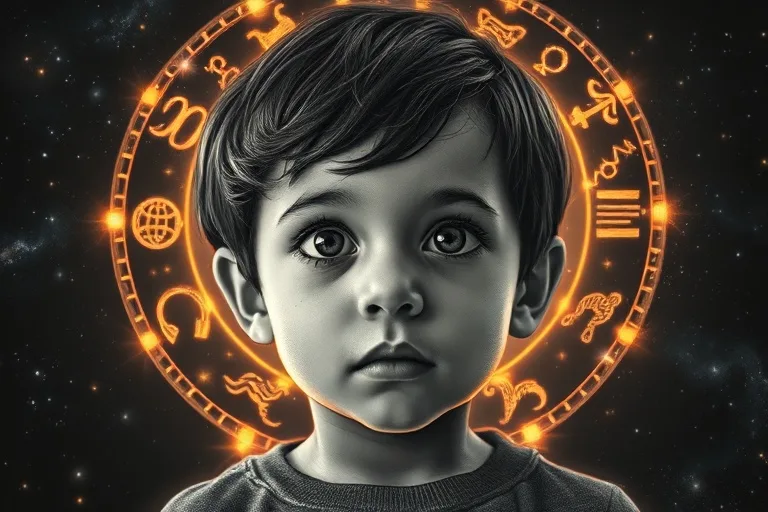
A Tarot Quantum Mechanics Intersecting Divination Reality offers a symbolic representation of their unique potential and connection to the cosmos, guiding parents in nurturing their inherent talents.
Table of Contents
- What is a Child's Birth Chart?
- The Core Components of a Child's Birth Chart
- Decoding the Sun, Moon, and Ascendant
- Understanding Planetary Placements
- The Role of Houses: Areas of Life
- Major Aspects and Their Influence
- Practical Applications: Tailoring Parenting Strategies
- Ethical Considerations in Astrological Parenting
What is a Child's Birth Chart?
A child's birth chart, also known as a natal chart, is a personalized map of the sky at the exact moment and location of their birth. It captures the positions of the Sun, Moon, planets, and other celestial points across the twelve zodiac signs and twelve houses of the horoscope. This intricate diagram is believed to reflect an individual's inherent personality traits, talents, challenges, and life themes.
For parents, understanding this chart isn't about predicting the future, but rather about gaining profound insights into their child's unique psychological makeup. It offers a framework for recognizing their natural inclinations, understanding their emotional responses, and supporting their growth in a way that aligns with their authentic self. It helps move beyond generic parenting advice to a more tailored and intuitive approach.
The Core Components of a Child's Birth Chart
To interpret a birth chart, it's essential to grasp its fundamental components. These elements work together to paint a comprehensive picture of your child's astrological profile. Each component adds a layer of meaning, revealing different facets of their personality and potential.
- Planets: These represent the core drives, functions, and psychological needs within your child. Each planet symbolizes a different aspect of their inner world, from communication to love to ambition.
- Zodiac Signs: The twelve zodiac signs describe the "how" or the style in which these planetary energies are expressed. They color the planets, indicating the characteristic mannerisms and approaches your child will take.
- Houses: The twelve houses of the horoscope represent the "where" or the specific areas of life where these energies will manifest. They indicate the life experiences and environments through which your child will develop.
- Aspects: These are the angular relationships between planets, revealing the dynamic interplay and connections between different parts of your child's personality. Aspects can indicate ease, tension, or opportunities for growth.
A deeper dive into these Psycho-Astrology Jungian Archetypes Natal Chart Integration provides a rich tapestry of information. The precise calculation of these positions requires the exact time, date, and place of birth, highlighting the importance of birth chart precision.
Decoding the Sun, Moon, and Ascendant in Your Child's Chart
The "Big Three" in astrology – the Sun, Moon, and Ascendant (Rising Sign) – are paramount for understanding your child's core being. These three points offer immediate and profound insights into their fundamental nature.
- The Sun Sign: Your Child's Core Identity and Purpose. The Sun represents your child's ego, conscious will, and fundamental drive. It reveals their basic personality, their life force, and what makes them feel alive and purposeful. Knowing your child's Sun sign helps you understand their inherent strengths and how they naturally express themselves in the world. For example, a child with a Sun in Leo might naturally seek attention and creative expression, while a Sun in Virgo child might be more analytical and service-oriented.
- The Moon Sign: Their Emotional World and Inner Needs. The Moon governs your child's emotional nature, instincts, and security needs. It shows how they process feelings, what makes them feel safe and nurtured, and their unconscious habits. Understanding their Moon sign is crucial for providing the emotional support they truly need. A Cancer Moon child might crave constant reassurance and a strong family bond, whereas an Aquarius Moon child might need more emotional space and intellectual stimulation to feel secure.
- The Ascendant (Rising Sign): Their Outer Persona and First Impressions. The Ascendant describes the mask your child presents to the world, their initial reactions, and how others perceive them. It also indicates their physical appearance and their approach to new experiences. This sign is vital for understanding their automatic responses and how they initiate action. A child with a Gemini Ascendant might appear curious and talkative, while a Capricorn Ascendant child might seem more reserved and serious at first glance.

An intricate birth chart, like an ancient blueprint, reveals the unique design of a child's personality and potential.
Understanding Planetary Placements
Beyond the Sun, Moon, and Ascendant, other planets in your child's chart offer further layers of understanding. Each planet governs specific functions and influences, providing a more nuanced view of their character. Their placement in signs and houses reveals how these energies will play out in their life.
- Mercury: Communication and Learning Style. Mercury indicates how your child thinks, learns, and communicates. A child with Mercury in Gemini might be quick-witted and love to talk, while Mercury in Taurus might learn at a slower, more deliberate pace, favoring practical application.
- Venus: Love, Values, and Social Interaction. Venus describes what your child values, how they give and receive affection, and their social graces. A Venus in Libra child might seek harmony and fairness in relationships, whereas a Venus in Scorpio child might form intense, deep bonds.
- Mars: Energy, Drive, and Assertiveness. Mars reveals how your child asserts themselves, their courage, and their energy levels. A Mars in Aries child might be highly energetic and competitive, while Mars in Pisces might express their drive more subtly, perhaps through creative or compassionate acts.
- Jupiter: Growth, Optimism, and Beliefs. Jupiter signifies areas of expansion, luck, and where your child seeks meaning and wisdom. A child with Jupiter in Sagittarius might have a natural love for learning and travel, while Jupiter in Cancer might find growth through nurturing others and building a secure home.
- Saturn: Discipline, Structure, and Challenges. Saturn points to areas where your child will learn responsibility, face limitations, and build resilience. Its placement can indicate early challenges that, once overcome, lead to great strength and mastery. For example, Saturn in the 10th House might indicate a strong drive for public achievement but also a fear of failure.
- Outer Planets (Uranus, Neptune, Pluto): Generational and Deeper Influences. These planets move slowly and represent broader societal trends and deeper psychological currents. While their house placement is highly individual, their sign placement often reflects generational themes. Uranus signifies innovation and rebellion, Neptune relates to spirituality and illusion, and Pluto governs transformation and power dynamics.
Understanding these planetary placements can help parents anticipate potential areas of strength and challenge, allowing for proactive support and guidance. For instance, a challenging Saturn placement might require extra encouragement for discipline, while a strong Jupiter could indicate a natural talent that needs fostering.
The Role of Houses: Areas of Life
The twelve houses of the birth chart divide life into distinct areas or spheres of experience. Where a planet falls in a house indicates the specific life context in which its energy will primarily manifest. For parenting, this helps to understand where your child will naturally focus their energy and what types of experiences will be most formative for them.
| House Number | Associated Life Area | Parenting Insight |
|---|---|---|
| 1st House | Self, appearance, first impressions | How your child presents themselves; their initial approach to life. |
| 2nd House | Values, possessions, self-worth | Their relationship with material security and what they value. |
| 3rd House | Communication, learning, siblings, short trips | Their communication style, early education, and sibling dynamics. |
| 4th House | Home, family roots, emotional foundations | Their need for security, family environment, and emotional base. |
| 5th House | Creativity, romance, children, pleasure, self-expression | Their creative outlets, hobbies, and how they seek joy. |
| 6th House | Daily routines, health, service, work | Their approach to daily tasks, health habits, and sense of duty. |
| 7th House | Relationships, partnerships, open enemies | How they engage in one-on-one relationships and partnerships. |
| 8th House | Transformation, shared resources, intimacy, death, rebirth | Their journey through deep change, shared finances, and psychological depths. |
| 9th House | Higher education, philosophy, travel, spirituality | Their quest for knowledge, worldview, and spiritual exploration. |
| 10th House | Career, public image, reputation, ambition | Their public role, career aspirations, and how they seek recognition. |
| 11th House | Friendships, groups, hopes, and wishes | Their social circles, community involvement, and future goals. |
| 12th House | Spirituality, subconscious, hidden strengths/weaknesses, solitude | Their inner world, spiritual connection, and need for introspection. |
Understanding the houses can help you provide appropriate environments and opportunities. For example, a child with many planets in the 3rd House might benefit from early reading and writing activities, while one with a strong 10th House might need encouragement in setting career-oriented goals from a young age.
Major Aspects and Their Influence
Aspects are the angular relationships between planets in the birth chart. They describe how the different parts of your child's personality interact, indicating areas of harmony, tension, or dynamic interplay. Recognizing these aspects can help parents understand the underlying motivations and potential conflicts within their child's psyche.

A cosmic tree growing from an open book symbolizes the nurturing of a child's inherent potential, guided by the wisdom of their natal chart.
- Conjunction (0 degrees): Planets are close together, merging their energies. This indicates a powerful, unified expression of those planetary functions. For example, a Sun-Moon conjunction suggests a strong integration of ego and emotions.
- Sextile (60 degrees) & Trine (120 degrees): These are harmonious aspects, indicating ease, talent, and natural flow between planetary energies. They represent areas where your child will find natural support and opportunities.
- Square (90 degrees) & Opposition (180 degrees): These are dynamic or challenging aspects, pointing to areas of tension, conflict, or necessary growth. While they can indicate struggles, they are also powerful motivators for development and self-awareness. For example, a Mars-Saturn square might mean a child struggles with expressing anger constructively but learns immense self-control over time.
Understanding these astrological aspects allows parents to guide their children through challenges, helping them transform potential difficulties into strengths. It's about recognizing the inherent dynamics and providing tools for healthy expression.
Practical Applications: Tailoring Parenting Strategies
The true power of astrological parenting lies in its practical application. Once you understand your child's unique cosmic blueprint, you can adapt your parenting style to better meet their individual needs. This can lead to a more harmonious home environment and a child who feels truly seen and supported.
- Tailoring Communication: If your child has Mercury in a water sign (Cancer, Scorpio, Pisces), they might respond better to emotional and intuitive communication, whereas an air sign Mercury (Gemini, Libra, Aquarius) might prefer logical discussions.
- Nurturing Emotional Needs: A child with a fiery Moon (Aries, Leo, Sagittarius) might need outlets for physical activity to release emotions, while an earthy Moon (Taurus, Virgo, Capricorn) might find comfort in routine and tangible security.
- Supporting Learning Styles: A child with a strong 3rd or 9th House might be a natural academic, while one with a prominent 5th House might learn best through creative play and self-expression.
- Encouraging Talents: Identify strong planetary placements or harmonious aspects that indicate natural talents. For example, a strong Venus in the 5th House could point to artistic abilities, while a powerful Mars in the 1st House might indicate a natural athlete.
- Managing Challenges: If a child has challenging aspects involving Saturn or Mars, understanding these can help parents teach coping mechanisms, patience, and constructive ways to deal with frustration or limitations. Retrograde planets in the chart can also offer insights into unique developmental paths and inner processing.
By observing your child through the lens of their birth chart, you can anticipate their reactions, understand their motivations, and provide guidance that resonates deeply with their inner being. This approach fosters a sense of validation and helps children develop a strong sense of self.
Ethical Considerations in Astrological Parenting
While astrological insights can be incredibly empowering, it's crucial to approach astrological parenting with an ethical and balanced perspective. The birth chart is a guide, not a definitive fate, and should never be used to label or limit a child. Every individual has free will and the capacity to evolve beyond their initial blueprint.
"The stars incline, they do not compel."
This ancient astrological maxim serves as a vital reminder that while a birth chart reveals inherent tendencies and potentials, it does not dictate a fixed destiny. It offers insights into a child's natural inclinations, but their choices, environment, and upbringing ultimately shape their path.
Parents should use the birth chart as a tool for empathy and understanding, not as a rigid set of rules. Avoid projecting expectations based on the chart, and instead, use it to appreciate your child's individuality and support their self-discovery. Encourage them to explore all facets of their personality, even those that might seem challenging according to their chart, as these often hold the greatest potential for growth.
Conclusion
Parenting by the stars offers a profound and enriching dimension to the parenting experience. By delving into the intricate details of your child's birth chart, you unlock a deeper appreciation for their unique spirit and inherent potential. This cosmic guide empowers you to foster their strengths, navigate their challenges with greater understanding, and provide a nurturing environment where they can truly flourish.
Remember, astrology is a tool for self-awareness and empathy, not a definitive judgment. Use these insights to celebrate your child's individuality, support their journey of self-discovery, and build a stronger, more connected family bond. The stars have much to tell us about our children, if only we take the time to listen.
Fuente: Contenido híbrido asistido por IAs y supervisión editorial humana.


Comments
Post a Comment