
Feng Shui Chinese Zodiac Compatibility: Elemental Harmony
The ancient wisdom traditions of Feng Shui and the Chinese Zodiac offer profound insights into the intricate dynamics of human relationships. Far beyond simple predictions, these systems delve into the elemental energies that shape our personalities and interactions, providing a unique framework for understanding compatibility and fostering harmony. By exploring the interplay of the five elements—Wood, Fire, Earth, Metal, and Water—we can unlock deeper connections and cultivate more balanced partnerships.
- Understanding Chinese Zodiac Elements
- The Twelve Chinese Zodiac Animals and Their Elemental Affiliations
- Elemental Compatibility in Relationships
- Applying Feng Shui Principles to Relationship Harmony
- Combining Zodiac and Feng Shui for Deeper Compatibility Analysis
- Overcoming Challenges and Enhancing Connection

Conceptual representation of elemental balance, depicting the intricate synergy between the five elements and their influence on human connections.
This article explores how the elemental framework of the Chinese Zodiac, combined with the spatial principles of Feng Shui, can illuminate relationship dynamics. We will delve into the characteristics of each element, their interactions, and how these ancient practices offer practical guidance for cultivating stronger, more harmonious bonds. Understanding these principles allows individuals to not only identify potential areas of compatibility but also to actively shape their environment to support loving connections.
Understanding Chinese Zodiac Elements
In Chinese metaphysics, the five elements—Wood, Fire, Earth, Metal, and Water—are fundamental forces that govern the natural world and human existence. Each element possesses unique qualities, strengths, and weaknesses, influencing personality traits, emotional responses, and how individuals interact with others. These elements are not static but are in a constant state of flux and transformation, forming both productive and destructive cycles.
The elemental affiliation of a person is primarily determined by their birth year, which corresponds to one of the twelve Chinese Zodiac animals, each linked to a specific element. However, the elements also cycle through the years, creating a deeper layer of analysis. For instance, while the Rat is generally associated with Water, a Rat born in a Wood year will exhibit characteristics of both.
| Element | Characteristics | Associated Traits |
|---|---|---|
| Wood | Growth, flexibility, expansion, creativity. | Ambitious, compassionate, innovative, sometimes indecisive. |
| Fire | Passion, energy, dynamism, leadership. | Enthusiastic, courageous, impulsive, sometimes aggressive. |
| Earth | Stability, nurturing, practicality, grounding. | Reliable, patient, empathetic, sometimes stubborn or overly cautious. |
| Metal | Structure, discipline, determination, refinement. | Organized, resolute, just, sometimes rigid or critical. |
| Water | Flow, intuition, adaptability, communication. | Perceptive, empathetic, flexible, sometimes secretive or overly emotional. |
The Twelve Chinese Zodiac Animals and Their Elemental Affiliations
Each of the twelve Chinese Zodiac animals is inherently associated with one of the five elements, which further refines their core characteristics. This fixed element provides a foundational energetic blueprint, shaping the animal's natural tendencies and how it interacts with the world. For a comprehensive understanding of each animal's traits, including their origin stories and deeper meanings, exploring resources like Chinese Zodiac Animals: Traits, Meanings, Origin Stories can be highly beneficial.
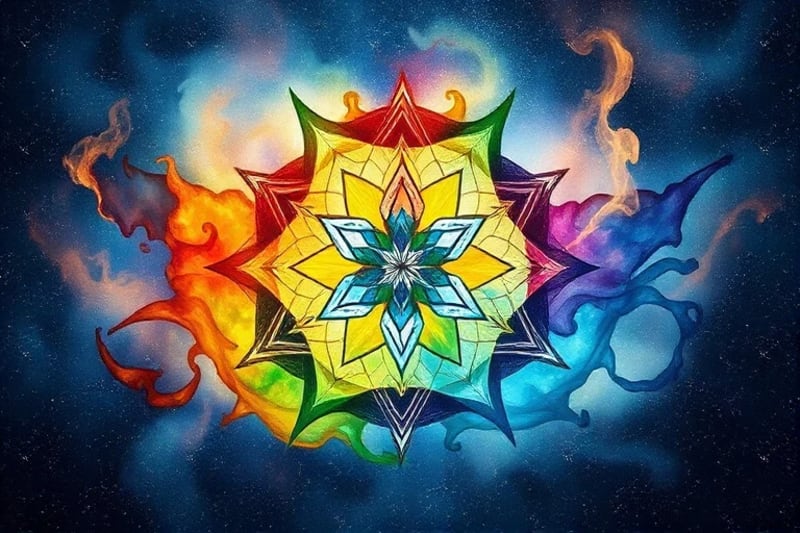
Symbolic representation of the five elements in dynamic interaction, illustrating the complex dance of energies that define compatibility.
While each animal has a fixed element, the annual elemental cycle overlays this, meaning a person born in a 'Wood Rat' year will have different nuances than a 'Water Rat'. This layering creates a rich tapestry of personality types, making compatibility analysis a nuanced art rather than a rigid science. Understanding these elemental layers is key to appreciating the subtle complexities of interpersonal relationships.
- Rat (Water): Intelligent, charming, resourceful.
- Ox (Earth): Diligent, dependable, strong-willed.
- Tiger (Wood): Brave, confident, adventurous.
- Rabbit (Wood): Gentle, empathetic, cautious.
- Dragon (Earth): Charismatic, ambitious, powerful.
- Snake (Fire): Wise, enigmatic, intuitive.
- Horse (Fire): Energetic, independent, passionate.
- Goat (Earth): Creative, gentle, compassionate.
- Monkey (Metal): Witty, clever, curious.
- Rooster (Metal): Observant, hardworking, confident.
- Dog (Earth): Loyal, honest, protective.
- Pig (Water): Generous, compassionate, honest.
Elemental Compatibility in Relationships
The core of Chinese elemental compatibility lies in understanding the productive and destructive cycles between the five elements. These cycles describe how elements interact, either supporting and strengthening each other or clashing and weakening each other. In relationships, these interactions manifest as harmony or tension, ease or challenge.
The productive cycle represents a harmonious flow where one element nurtures the next, leading to mutual growth and support. Conversely, the destructive cycle indicates a conflicting interaction where one element controls or weakens another, potentially leading to friction and imbalance. It's important to remember that even destructive cycles can offer opportunities for growth and learning, prompting individuals to develop greater understanding and adaptability. Much like understanding Astrological Aspect Patterns, recognizing these elemental dynamics provides a map for navigating relationship complexities.
| Cycle Type | Elemental Interactions | Relationship Impact |
|---|---|---|
| Productive Cycle (Sheng Cycle) | Wood feeds Fire, Fire creates Earth (ash), Earth bears Metal, Metal carries Water, Water nourishes Wood. | Mutual support, growth, understanding, complementary strengths. Partners feel nurtured and uplifted. |
| Destructive Cycle (Ke Cycle) | Wood parts Earth, Earth absorbs Water, Water extinguishes Fire, Fire melts Metal, Metal chops Wood. | Potential for conflict, control, misunderstanding, erosion of energy. Requires conscious effort and compromise. |
When assessing compatibility, one looks at the primary elements of both partners. For example, a Wood person and a Fire person would generally have a productive relationship, as Wood feeds Fire. However, a Fire person and a Water person might experience more challenges, as Water extinguishes Fire. These are not definitive judgments but indicators of natural tendencies that can be managed with awareness and effort. The belief in these systems can also influence outcomes, as explored in Psychology Horoscopes Belief Self-Fulfillment Suggestion.
Applying Feng Shui Principles to Relationship Harmony
Feng Shui, the ancient Chinese art of placement, focuses on arranging living spaces to optimize the flow of "chi" (energy) and create a harmonious environment. When applied to relationships, Feng Shui aims to enhance love, passion, and partnership. The Southwest sector of a home, according to the Bagua map, is traditionally associated with love and marriage, making it a crucial area to activate.
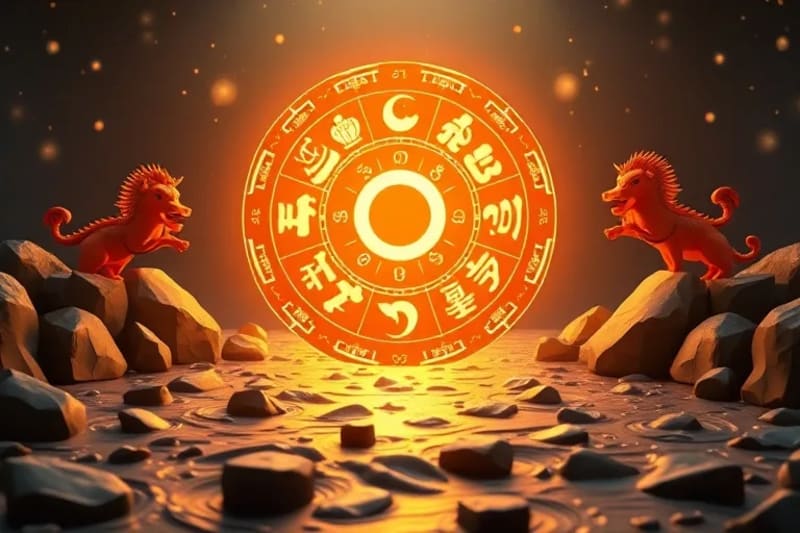
Abstract representation of a Bagua map, illustrating the subtle energy flows and their impact on different life aspects, including relationships.
Activating this sector involves incorporating specific colors, materials, and symbols that resonate with the Earth element, which governs this area. Earth symbolizes stability, nurturing, and grounding—qualities essential for a strong relationship. Additionally, ensuring good flow of chi throughout the entire home can prevent stagnation in any aspect of life, including romantic connections. This holistic approach considers the energetic foundations, much like understanding Imum Coeli Aspects: Emotional Foundations Birth Chart provides insights into personal roots.
- Colors: Pinks, reds, and whites are auspicious for love. Earth tones (browns, yellows) can also enhance stability in the Southwest.
- Symbols: Pairs of objects (mandarin ducks, double happiness symbols, two candles) represent partnership. Avoid single items in the relationship corner.
- Materials: Ceramics, crystals (especially rose quartz), and natural stones enhance the Earth element.
- Clutter-Free: Remove clutter from the bedroom and Southwest sector to allow energy to flow freely.
- Lighting: Soft, warm lighting creates a romantic and inviting atmosphere.
Combining Zodiac and Feng Shui for Deeper Compatibility Analysis
For a truly comprehensive understanding of relationship compatibility, integrating both Chinese Zodiac elemental analysis and Feng Shui principles offers a powerful synergy. First, identify the primary elements of both partners based on their birth years. Then, assess their interaction using the productive and destructive cycles. This initial step provides a foundational understanding of their innate energetic compatibility.
Next, consider how their living environment supports or hinders these elemental dynamics. For example, if a couple has a challenging elemental combination (e.g., Fire and Water), they can consciously use Feng Shui to introduce balancing elements into their home. A Water person and a Fire person might benefit from incorporating Wood elements (which bridge Water and Fire in the productive cycle) into their shared space to foster understanding and growth. This proactive approach helps to transmute potential conflicts into opportunities for strengthening the bond, much like the transformative processes described in Alchemical Astrology: Transmuting Shadow Selves into Gold.
By aligning personal elemental energies with environmental energies, couples can create a supportive ecosystem for their relationship. This dual approach moves beyond passive understanding to active participation in shaping their shared destiny. It empowers individuals to not only recognize inherent patterns but also to consciously work with them for mutual benefit.
Overcoming Challenges and Enhancing Connection
No relationship is without its challenges, and elemental imbalances are not destiny but rather indicators of areas requiring attention. If a couple's elemental combination suggests potential friction, this knowledge can be used constructively. For instance, if Metal and Wood are dominant (Metal chops Wood), the Metal partner might learn to be less critical, and the Wood partner might practice asserting themselves more gently. Introducing Water elements into their environment or daily routines (e.g., spending time near water, using water features) can help soften the Metal and nourish the Wood, creating a more fluid interaction.
Open communication, empathy, and a willingness to understand each other's elemental nature are paramount. Feng Shui provides tangible tools for environmental adjustments, while Zodiac compatibility offers a psychological lens. Together, they form a powerful framework for conscious relationship building. The goal is not to avoid challenges but to understand their root and apply wisdom to transform them into strengths, fostering resilience and deeper connection.
In conclusion, the integration of Feng Shui and Chinese Zodiac compatibility offers a holistic and insightful approach to understanding and enhancing relationships. By recognizing the elemental energies at play, both within individuals and in their shared environment, couples can proactively cultivate harmony, balance, and enduring love.
Explore Further Insights
- Astral Projection: Out-of-Body Experiences
- Ritual Candle Color Meanings
- Psychology Horoscopes Belief
- Chinese Zodiac Animals: Traits
- June 2026 Horoscopes
- Imum Coeli Aspects: Emotional Foundations
- Spiritual Cleanse Rituals
- Astrological Aspect Patterns
- Planetary Dignities: Beyond Rulerships
- Reiki Healing: Principles, Benefits
- Starlight Meditations Fixed Stars
- Alchemical Astrology: Transmuting Shadow Selves
- Metaphysical Dream Weaving
- Chiron in Signs & Houses: Wounding & Healing
- Spiritual Japanese Calligraphy
- Realidad Aumentada Educación
- Deepfakes: Reality, Psychology
- Eras Musicales Michael Jackson
- Zodiaco Arte Arquetipos
- Nodos Lunares Compatibilidad
- Compatibilidad Signos Agua
- Sagrado Corazón Realeza Social Cristo
- Profecías Apócrifas Olvidadas
- Ángeles Custodios Intercesión
Source: Hybrid content assisted by AI and human editorial supervision.


Comments
Post a Comment