
Haptic Feedback Meditation: Enhancing Mindfulness Tactile
In an increasingly digital world, the quest for inner peace and mindfulness has led to innovative intersections between ancient practices and modern technology. Haptic feedback meditation stands at the forefront of this evolution, offering a novel approach to deepening meditative states through the sense of touch. This method leverages tactile sensations to guide focus, reduce distractions, and enhance body awareness, providing a tangible anchor in the abstract journey of mindfulness.
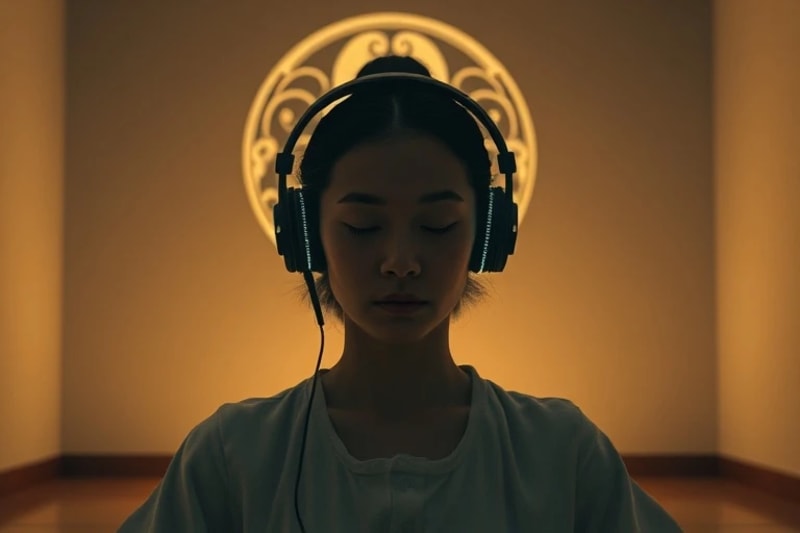
A meditative practice integrating subtle tactile technology for deeper focus and body awareness.
Fuente visual sujeta a disponibilidad del ecosistema: Wikimedia Commons bajo licencia CC BY-SA 4.0 o renderizado conceptual IA.
Traditional meditation often relies on auditory cues, visual focus, or internal sensations. However, haptic feedback introduces a powerful external, yet deeply personal, sensory input that can dramatically alter the meditative experience. By providing gentle vibrations, pulses, or pressure, these technologies help ground the practitioner in the present moment, making abstract concepts like "mindfulness" more accessible and concrete.
Table of Contents
- Understanding Haptic Feedback in Meditation
- The Science of Touch and the Somatosensory System
- Key Benefits of Haptic Feedback for Mindfulness
- Types of Haptic Devices for Meditation
- Integrating Haptics into Your Meditation Practice
- The Future of Tactile Meditation and Wellness
Understanding Haptic Feedback in Meditation
Haptic feedback refers to any technology that can create an experience of touch by applying forces, vibrations, or motions to the user. While commonly found in smartphones and gaming controllers, its application in meditation is relatively new and rapidly evolving. In this context, haptic feedback is designed to provide subtle, non-intrusive physical sensations that serve as focal points for attention.
These tactile cues can be synchronized with guided meditations, breathing exercises, or even biofeedback data, such as heart rate variability. The goal is to create a multi-sensory experience that enhances engagement and deepens the meditative state. Unlike purely auditory or visual cues, haptic sensations engage the body directly, fostering a stronger mind-body connection.
The Science of Touch and the Somatosensory System
The human sense of touch is incredibly complex, mediated by the somatosensory system, which includes a vast network of receptors in the skin, muscles, and joints. These receptors transmit information about pressure, temperature, pain, and vibration to the brain. Research in neuroscience has consistently shown the profound impact of tactile stimulation on emotional regulation, stress reduction, and overall well-being.
Gentle, rhythmic tactile input, such as that provided by haptic devices, can activate the parasympathetic nervous system, promoting relaxation and reducing physiological arousal. This physiological response is crucial for achieving deep meditative states, where the body and mind enter a state of calm and receptivity. Understanding how our bodies process touch helps explain why haptic feedback can be so effective in meditation, offering a tangible pathway to internal tranquility.

Visual representation of the intricate connection between haptic input and neural responses.
Key Benefits of Haptic Feedback for Mindfulness
The integration of haptic feedback into meditation offers several distinct advantages, particularly for those new to the practice or individuals struggling with focus. One primary benefit is the enhanced ability to maintain attention. The subtle vibrations act as a gentle reminder to return to the present moment whenever the mind wanders, reducing the frustration often associated with a busy mind during meditation.
Furthermore, haptic feedback can deepen body awareness, a cornerstone of many mindfulness practices. By directing attention to specific points of contact or areas of the body through tactile cues, practitioners can cultivate a more profound connection to their physical self. This can be particularly useful for practices like body scans or for managing chronic pain, where heightened awareness can lead to greater acceptance and reduced suffering. This enhanced sensory experience can be compared to the immersive connection felt during Shinrin-Yoku, or forest bathing, where natural sensory inputs promote spiritual wellness.
Another significant advantage is stress reduction. The calming effect of rhythmic vibrations can help downregulate the body's stress response, leading to lower heart rates, reduced muscle tension, and a greater sense of calm. This makes haptic meditation a powerful tool for managing anxiety and promoting overall emotional well-being. For those seeking deeper self-understanding, integrating these practices can also complement introspective tools like a dream interpretation dictionary, by fostering a more receptive state of mind.
| Benefit | Description | Impact on Practice |
|---|---|---|
| Enhanced Focus | Tactile cues provide a physical anchor for attention, reducing mind-wandering. | Easier to stay present, less frustration for beginners. |
| Deeper Body Awareness | Directs attention to physical sensations, strengthening the mind-body connection. | Improved interoception, beneficial for body scans and pain management. |
| Stress Reduction | Rhythmic vibrations activate the parasympathetic nervous system. | Lower heart rate, reduced anxiety, greater sense of calm. |
| Accessibility | Offers a tangible entry point for those who struggle with abstract meditation techniques. | Wider adoption and sustained practice among diverse individuals. |
Types of Haptic Devices for Meditation
The market for haptic meditation devices is growing, with various technologies designed to cater to different preferences and needs. Wearable devices, such as wristbands or headbands, are among the most common. These often integrate with smartphone apps to deliver guided meditations synchronized with subtle vibrations. Some advanced wearables can even monitor physiological data, adjusting haptic feedback in real-time to optimize the user's state.
Beyond wearables, specialized cushions or mats embedded with haptic technology offer a more immersive experience, providing vibrations across a larger surface area of the body. These can simulate sensations like gentle waves, rhythmic breathing, or even the subtle pulses of a heartbeat. The diversity in devices allows practitioners to choose what best suits their comfort and desired level of immersion. The careful selection of tools, much like understanding the properties of herbal magic plants, can significantly enhance one's personal practice and connection to inner energies.
Integrating Haptics into Your Meditation Practice
Incorporating haptic feedback into your meditation routine is straightforward, but a few considerations can optimize the experience. Firstly, choose a device that feels comfortable and provides sensations that are soothing rather than distracting. Experiment with different vibration patterns and intensities to find what resonates best with your body and mind. Many devices come with pre-programmed guided meditations, which are an excellent starting point.
Secondly, create a conducive environment. While haptic feedback can help mitigate external distractions, a quiet, comfortable space will always enhance your practice. Focus on the sensations provided by the device, allowing them to anchor your attention. If your mind wanders, gently bring your focus back to the tactile input. Consistency is key, so aim for regular, even short, sessions to build a habit and experience cumulative benefits.

Detailed view of a haptic device, showcasing the engineering behind tactile meditation.
The Future of Tactile Meditation and Wellness
The field of haptic feedback meditation is still in its nascent stages, but its potential for revolutionizing mindfulness and wellness practices is immense. As technology advances, we can expect more sophisticated devices capable of delivering nuanced and personalized tactile experiences. Future applications might include integration with virtual reality for fully immersive meditative environments, or even personalized biofeedback systems that adapt to individual physiological responses in real-time.
The scientific community is increasingly recognizing the therapeutic potential of haptic feedback, with ongoing research exploring its efficacy in treating conditions like PTSD, anxiety disorders, and chronic pain. As our understanding of the mind-body connection deepens, tactile technology promises to offer increasingly effective and accessible pathways to mental clarity, emotional balance, and profound inner peace. This convergence of ancient wisdom and modern innovation highlights how technology can serve as a powerful ally in our journey towards holistic well-being, much like how celestial mechanics and mundane cycles offer insights into predicting global trends and personal growth.
Ultimately, haptic feedback meditation represents a compelling blend of sensory science and spiritual practice. By engaging the often-underutilized sense of touch, it opens new dimensions for exploring mindfulness, offering a unique and powerful tool for anyone seeking to enhance their meditative journey in the modern age.
Related Searches
- Feng Shui Chinese Zodiac Home Energy
- Lilith in Karmic Astrology: Shadow Selves, Untamed Desires
- Chinese Zodiac Feng Shui: Harmonizing Home with Animal Sign
- Chinese Zodiac: Myths, Origins, Cultural Significance
- Scrying Divination: Reflective Surface Insights
- Astro-Cartography Spiritual Quests: Soul's Sacred Geography
- Monthly Horoscope Forecasts: Love, Career, Wellness Guide
- Aquarius Soulmate Compatibility: Advanced Synastry Guide
- Mercury Retrograde: Navigating Communication & Shadow Work
- Advanced Planetary Dignities: Optimizing Auspicious Timings
- Planetary Crystal Grids: Natal Chart Alignment Guide
- Quantum Computing Crypto Security Finance
- Abanicar: Historia, Ciencia y Cultura del Aire en Movimiento
- Elizabeth Taylor Empresaria: Estrategias, Perfumes, Joyas
- Compatibilidad Kármica Zodiaco Chino: Guía Avanzada
- Ecología Espiritual: Rituales Sanar Tierra Carta Natal
- Plutón Tránsitos: Transformación Profunda, Poder y Renacimiento
- Profecías Bíblicas: Restauración Total en Cristo
- Querubines Serafines: Guardianes Celestiales y Mensajeros
- Profecías Marianas Consagración Inmaculado Corazón: Guía Completa
Source: Hybrid content assisted by AI and human editorial supervision.


Comments
Post a Comment