
Ecopsychology Planetary Wellness: Earth Rhythms Connection
In an increasingly urbanized and digitally connected world, the profound relationship between human well-being and the natural environment often goes unnoticed. Ecopsychology, an emerging interdisciplinary field, bridges the gap between ecological principles and psychological insights, asserting that human health and planetary health are inextricably linked. This discipline explores how our connection to nature impacts our mental, emotional, and spiritual states, advocating for a deeper understanding and integration of Earth's rhythms into our daily lives for holistic wellness.
The concept of ecopsychology is not merely a philosophical idea but is increasingly supported by scientific research demonstrating the tangible benefits of nature exposure. From reducing stress and anxiety to boosting cognitive function and fostering a sense of purpose, reconnecting with the natural world offers a powerful antidote to many modern ailments. This article delves into the core tenets of ecopsychology, explores its historical roots, outlines its practical applications, and highlights its critical role in fostering both individual and collective planetary wellness.

The tranquil embrace of a forest at dawn, symbolizing the profound connection between nature and human well-being.
What is Ecopsychology?
Ecopsychology is a multidisciplinary field that explores the reciprocal relationship between human beings and the natural world. It posits that the human psyche is deeply embedded in the Earth's ecosystems and that a disconnection from nature can lead to psychological distress, often termed "eco-anxiety" or "nature deficit disorder." Conversely, fostering a strong connection with nature can enhance mental resilience, emotional balance, and overall life satisfaction.
This field draws upon various disciplines, including psychology, ecology, philosophy, anthropology, and environmental studies. It challenges the anthropocentric view that places humans above nature, instead promoting an understanding of humanity as an integral part of the larger ecological web. The central tenet is that our psychological health is intrinsically linked to the health of the planet.
Key areas of focus within ecopsychology include:
- The psychological impacts of environmental degradation.
- The therapeutic benefits of nature exposure.
- The development of an ecological self, where personal identity extends to include the natural world.
- Promoting sustainable behaviors through a deeper connection to nature.
Historical Roots and Evolution
While the term "ecopsychology" was coined in the early 1990s by Theodore Roszak, the underlying ideas have deep historical roots. Ancient cultures and indigenous traditions worldwide have long recognized the sacred and interconnected relationship between humans and their environment. Philosophers like Henry David Thoreau and naturalists such as John Muir championed the spiritual and psychological benefits of wilderness, laying early groundwork for what would become modern ecopsychology.
The modern movement gained traction with the rise of environmental awareness in the mid-20th century. As environmental crises became more apparent, thinkers began to question the psychological dimensions of humanity's destructive relationship with nature. Roszak's seminal work, "The Voice of the Earth" (1992), is often cited as a foundational text, arguing that the repression of our ecological unconscious leads to both personal and planetary pathology.
Since then, the field has expanded significantly, incorporating insights from various psychological theories, including humanistic, transpersonal, and depth psychology. It has also found practical applications in environmental education, therapy, and community development, evolving into a dynamic and influential area of study and practice.
Core Principles of Nature Connection
At the heart of ecopsychology lies the concept of nature connection, which is more than just being physically present in nature. It involves a deep, experiential, and emotional relationship with the natural world. This connection is often described through several key principles:
- Biophilia: Edward O. Wilson's hypothesis suggesting an innate human tendency to connect with nature and other living systems. This inherent love for life forms the biological basis for our need for nature.
- Ecological Self: The idea that our sense of self extends beyond our individual skin-bound ego to include the natural world. When we harm nature, we are, in a sense, harming ourselves.
- Restorative Environments: Natural settings provide unique opportunities for psychological restoration, reducing mental fatigue and stress. Theories like Attention Restoration Theory (ART) and Stress Reduction Theory (SRT) explain these benefits.
- Sensory Engagement: Engaging all senses in nature—listening to birdsong, feeling the wind, smelling damp earth—deepens the connection and enhances mindfulness.
- Reciprocity: Recognizing that the relationship with nature is a two-way street, where we receive healing and inspiration, and in turn, feel motivated to protect and care for the environment.
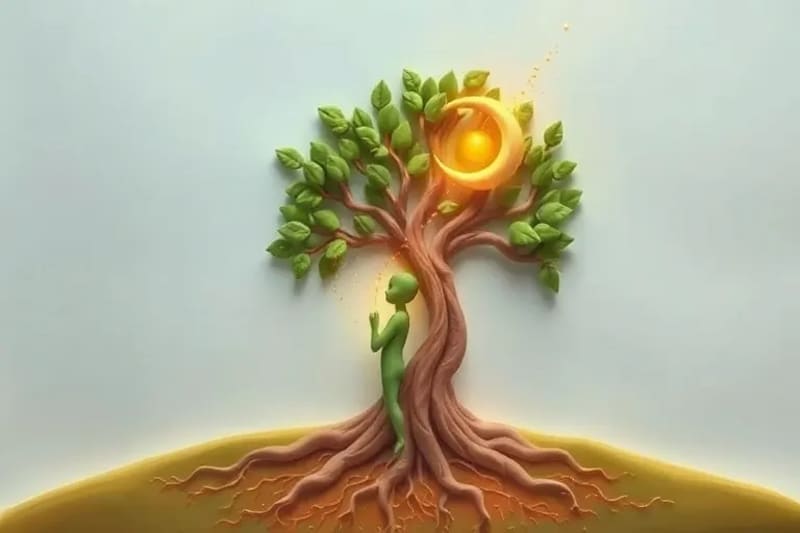
A digital painting illustrating the profound integration of human well-being with the natural world, symbolizing growth and inner harmony.
Benefits for Mental and Physical Health
The scientific evidence supporting the health benefits of nature exposure is robust and growing. Research consistently shows that spending time in green spaces can significantly improve various aspects of human health. These benefits extend across mental, emotional, and even physical domains, offering a holistic approach to wellness.
Mentally, interaction with nature has been shown to reduce symptoms of depression and anxiety. A study published in Environmental Health Perspectives found that increased exposure to green spaces was associated with lower mortality rates and improved self-reported health. The calming effect of natural environments helps to quiet the mind, reduce rumination, and enhance cognitive flexibility.
Physically, nature exposure can lower blood pressure, reduce heart rate, and decrease the production of stress hormones like cortisol. Activities such as forest bathing (Shinrin-yoku) have been linked to boosted immune function due to exposure to phytoncides, airborne chemicals emitted by plants. The simple act of walking in a park can contribute to increased physical activity, which is crucial for preventing chronic diseases.
Emotionally, nature connection fosters a sense of awe, wonder, and gratitude, which can elevate mood and promote positive emotions. It can also enhance social connections when shared with others in outdoor settings. The table below summarizes some key benefits:
| Aspect of Health | Specific Benefits from Nature Connection |
|---|---|
| Mental Health | Reduced stress, anxiety, and depression; improved mood; enhanced cognitive function and creativity; increased mindfulness. |
| Emotional Well-being | Greater sense of calm, awe, and wonder; increased feelings of happiness and vitality; improved emotional regulation. |
| Physical Health | Lower blood pressure and heart rate; boosted immune system function; increased physical activity; better sleep quality. |
| Spiritual Growth | Deeper sense of purpose and meaning; feeling of interconnectedness; enhanced empathy and compassion. |
Practical Applications: Integrating Nature into Daily Life
Integrating the principles of ecopsychology into modern life doesn't necessarily require moving to a remote wilderness. Even small, consistent interactions with nature can yield significant benefits. The key is intentional engagement and mindful presence. Here are several practical ways to reconnect with Earth's rhythms:
- Forest Bathing (Shinrin-yoku): This Japanese practice involves mindfully spending time in a forest environment, engaging all senses. It's not about hiking or exercise, but about simply "being" in nature.
- Gardening and Horticulture Therapy: Engaging with plants, soil, and the growth cycle can be incredibly grounding and therapeutic. Even a small balcony garden can provide a connection to living systems.
- Mindful Outdoor Walks: Instead of rushing through a park, take a slow, deliberate walk, paying attention to the sights, sounds, smells, and textures of the natural world around you.
- Nature Journaling: Documenting observations, feelings, and reflections during time spent in nature can deepen awareness and foster a personal relationship with the environment.
- Bringing Nature Indoors: Incorporating houseplants, natural materials, and views of nature into your living and working spaces can subtly enhance well-being.
- Observing Seasonal Changes: Paying attention to the cycles of the seasons—solstices, equinoxes, and the changing flora and fauna—helps align personal rhythms with those of the Earth.
- Reducing Digital Consumption: Consciously limiting screen time and replacing it with outdoor activities can help break the cycle of digital overload and foster a more natural pace of life.

An abstract representation of Earth's dynamic and interconnected rhythms, illustrating the constant flow of natural energy.
Ecopsychology and Planetary Stewardship
Beyond individual well-being, ecopsychology has profound implications for environmental ethics and planetary stewardship. By recognizing our deep psychological connection to nature, individuals are more likely to develop a sense of responsibility and motivation to protect the environment. This shift from an anthropocentric to an ecocentric worldview is crucial for addressing global ecological challenges.
When people experience nature as an extension of themselves, the desire to conserve and restore ecosystems becomes a natural outgrowth of self-preservation. Ecopsychology encourages a compassionate relationship with all living beings and the Earth itself, moving beyond mere utilitarian value to an intrinsic appreciation of nature's worth. This fosters a collective consciousness that recognizes the interdependence of all life.
This perspective is particularly relevant in the face of climate change, biodiversity loss, and pollution. By healing our psychological disconnection from nature, we can cultivate the emotional and moral capacity needed to drive meaningful environmental action. Educational programs and therapeutic interventions based on ecopsychological principles aim to nurture this sense of ecological identity and inspire active stewardship.
Challenges and Future Directions
Despite its growing recognition, ecopsychology faces several challenges. One significant hurdle is the increasing urbanization and digital immersion of society, which further distances many individuals from direct nature experiences. Addressing this requires innovative approaches to integrate nature into urban planning, education, and healthcare systems.
Another challenge lies in establishing standardized methodologies for research and practice. While qualitative evidence and anecdotal reports abound, more rigorous quantitative studies are needed to solidify ecopsychology's standing within mainstream psychology and medicine. Efforts are underway to develop measurable outcomes for nature-based interventions and to understand the specific mechanisms through which nature impacts mental health.
Looking ahead, ecopsychology is poised to play an increasingly vital role in promoting holistic wellness and sustainable living. Future directions include the integration of ecopsychological principles into public health policies, the development of nature-based therapy programs for diverse populations, and further exploration of the links between indigenous wisdom and modern scientific understanding of human-nature relationships. As our planet faces unprecedented environmental pressures, cultivating a deeper, more conscious connection with Earth's rhythms offers a path not only to individual healing but also to collective planetary flourishing.
Source: Hybrid content assisted by AIs and human editorial supervision.


Comments
Post a Comment